
Last updated November 20, 2026
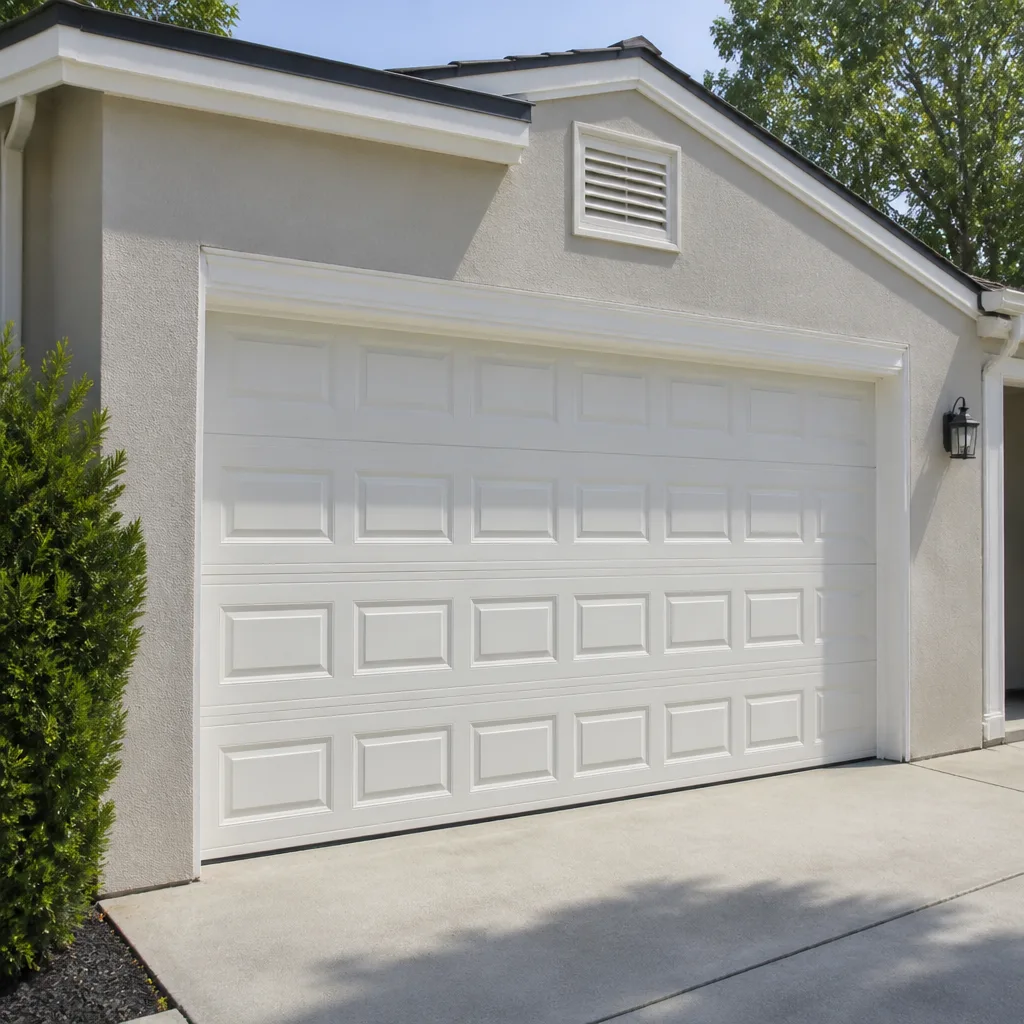 Raised-panel steel
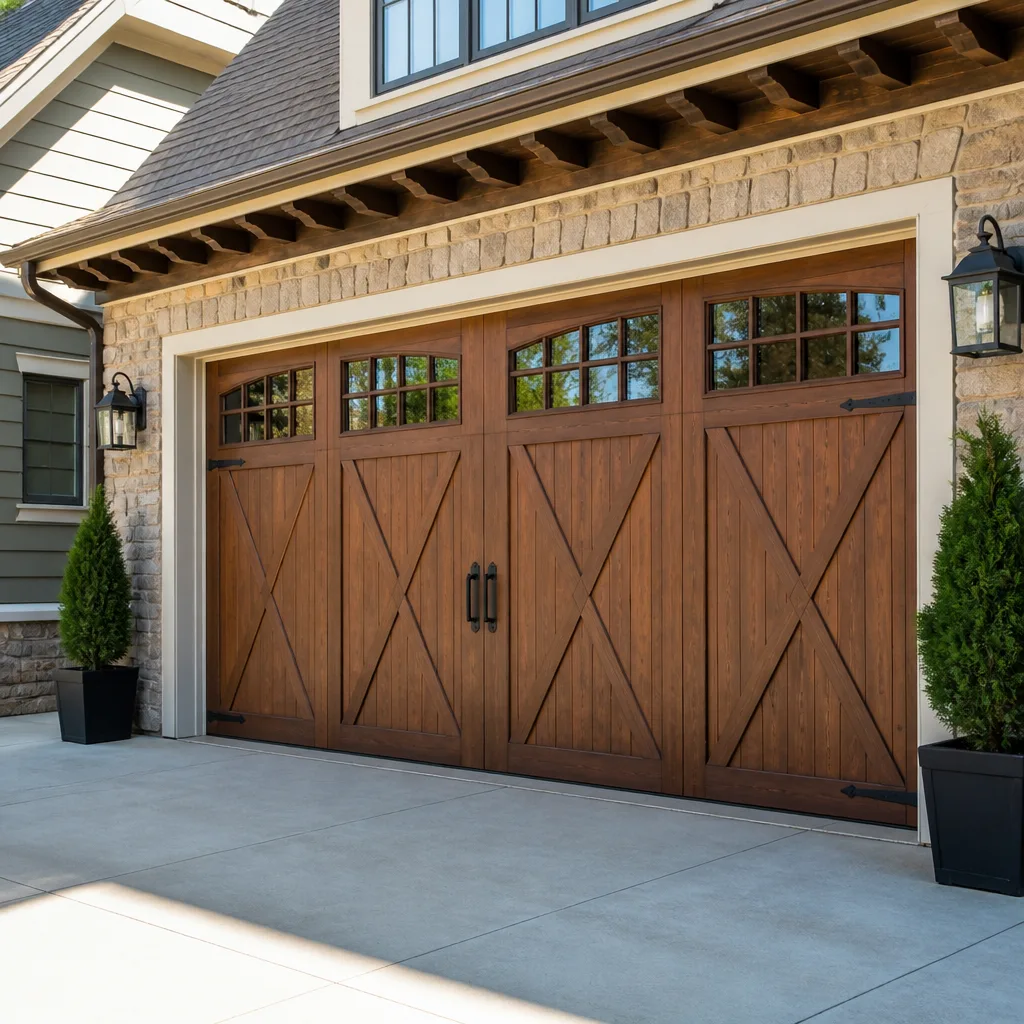 Carriage house
 Modern flush
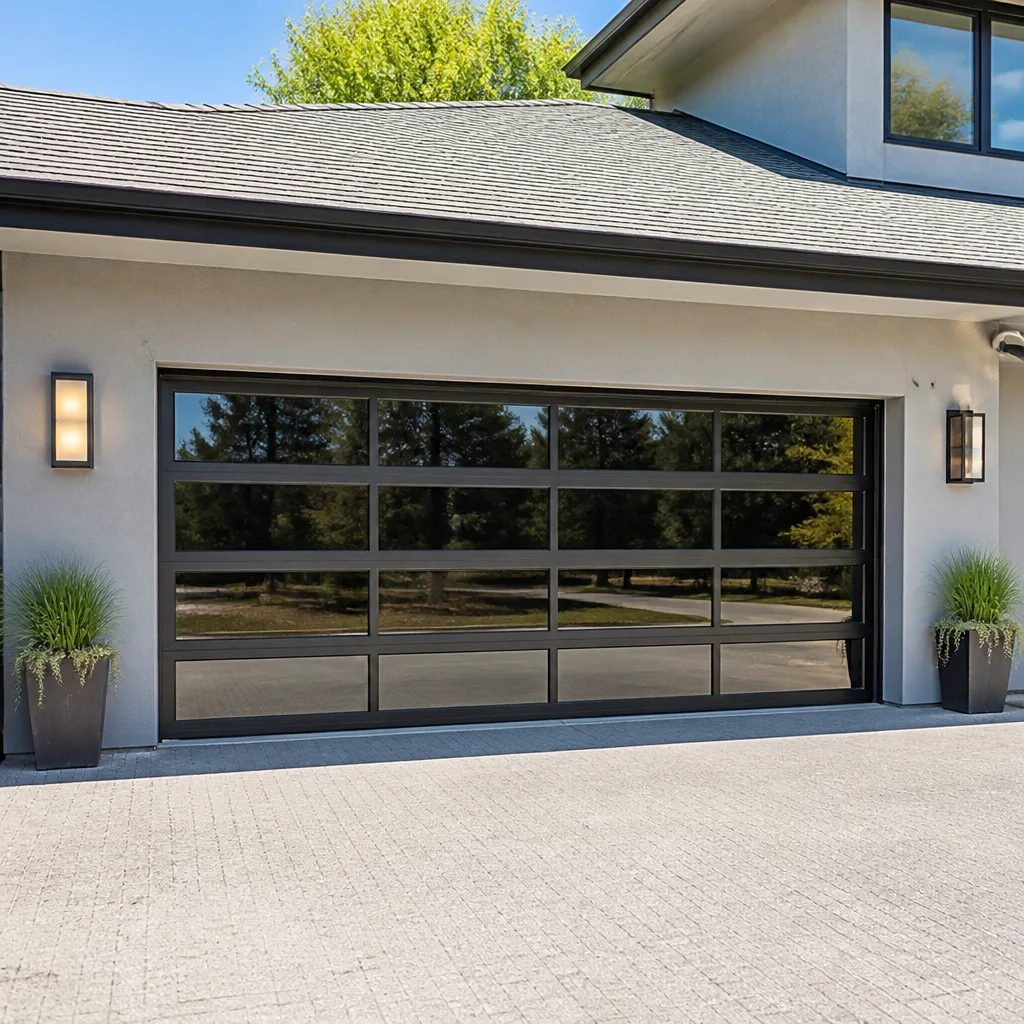 Full-view glass
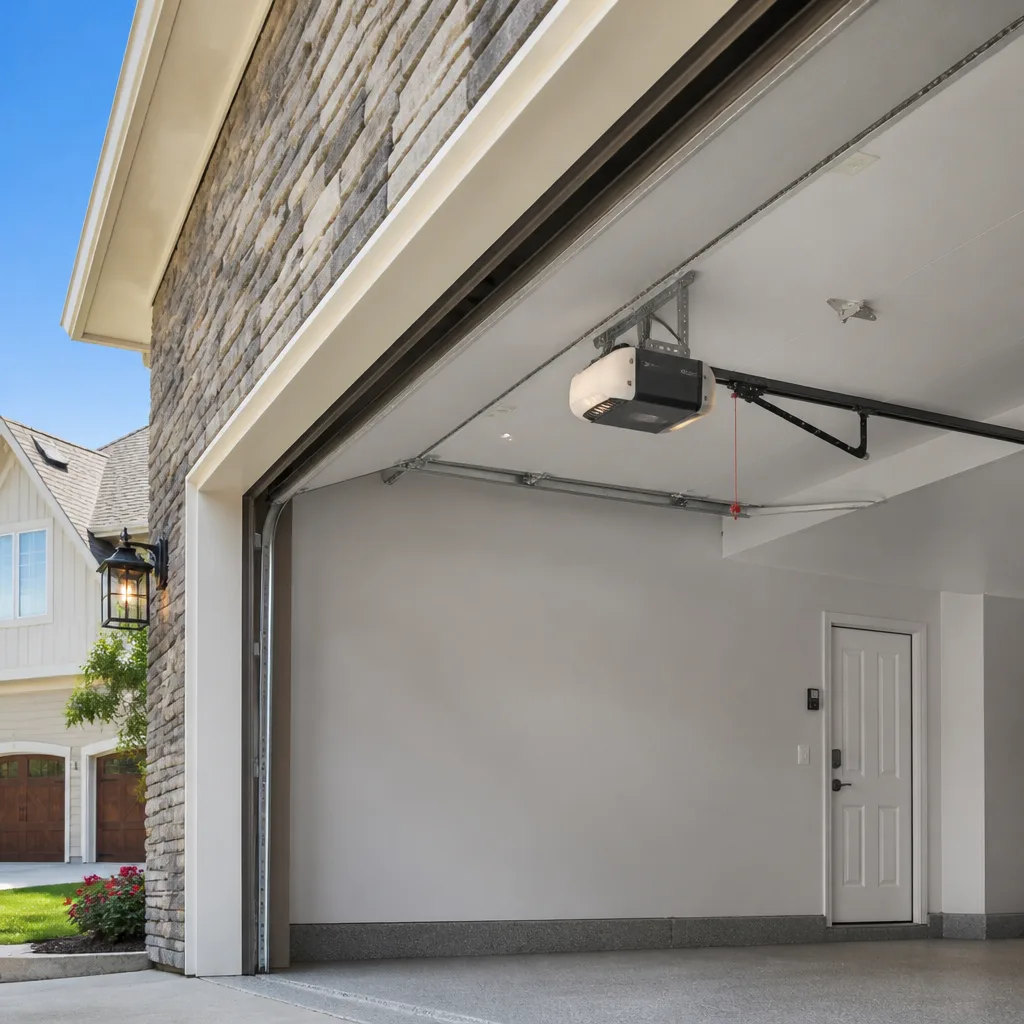 LiftMaster openers
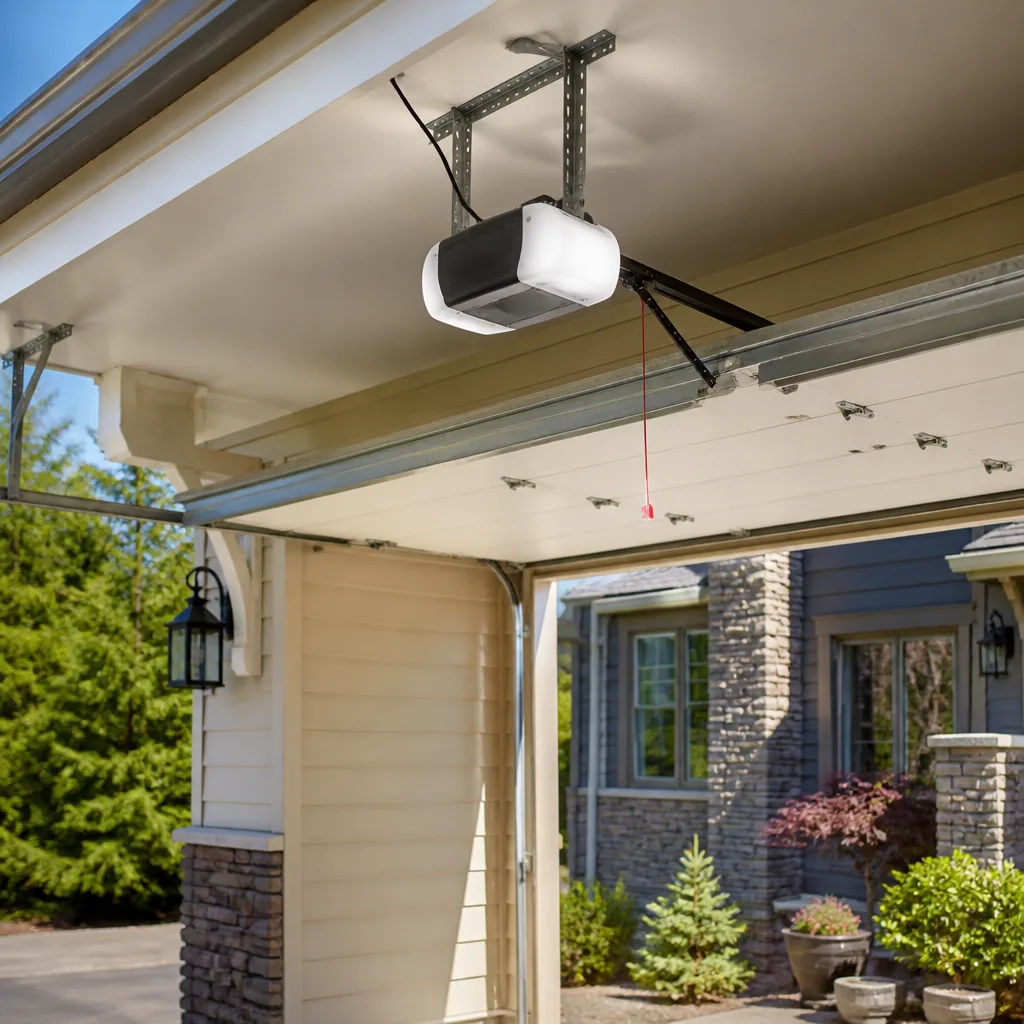 Chamberlain openers
Full 25-point door and opener safety check with every visit - springs, cables, rollers, tracks, and your LiftMaster or Chamberlain opener included
You get a price before we start. It does not change when the pro arrives.
Get your free estimateGarage Door Repair Maintenance Checklist for Cuyahoga Falls Homeowners
Most garage door failures we see in Cuyahoga Falls don’t start with a broken spring. They start with a bottom seal that felt soft in October and turned hard as a poker chip by January. The door still opens, so nobody thinks about it, until a cold snap rolls through and the whole thing binds up at the floor. A checklist written for a mild climate won’t catch that. This one is built around what Northeast Ohio weather actually does to a garage door across twelve months: the freeze-thaw cycle that works on concrete and thresholds, the summer humidity that swells wood panels, the road grit that finds its way into rollers and tracks. Below you’ll find a month-by-month routine, safe visual checks you can do yourself, a lubrication guide that names the right product for each part, and clear lines for when a maintenance item has quietly become a repair. Cuyahoga Falls homeowners can work through the whole thing in an afternoon.
Styles & brands we work with
- Raised-panel steel
- Carriage house
- Modern flush
- Full-view glass
- LiftMaster openers
- Chamberlain openers
Quick Answer
A garage door maintenance checklist for Cuyahoga Falls should follow the seasons, not a generic quarterly schedule: inspect and lubricate in fall before the first hard freeze, watch seals and thresholds through winter, check balance and hardware in spring as the ground thaws, and clear tracks and test the safety reverse in summer. The single most important task is catching a stiff or cracked bottom seal before cold weather locks it in place. Everything else on the list is about protecting the moving parts so a small wear item never turns into a snapped cable or a door off its tracks.
Table of Contents
- Why Cuyahoga Falls Doors Wear Differently
- Fall Checklist: Before the First Hard Freeze
- Winter Checklist: The Freeze-Thaw Months
- Spring Checklist: Thaw, Grit, and Balance
- Summer Checklist: Heat, Humidity, and Safety Reverse
- Safe Visual Checks: Springs and Cables Without Touching Them
- The Lubrication Guide: What Gets What, and What Gets Nothing
- Weatherstripping and Seal Inspection for Older Homes
- When a Maintenance Item Becomes a Repair
- Common Mistakes to Avoid
- When to Call a Professional
- Frequently Asked Questions
- The Bottom Line
Why Cuyahoga Falls Doors Wear Differently
Your garage door is your home’s largest moving part, and in Cuyahoga Falls it moves through a wider temperature swing than most of the country. A door that hangs true in July can drag on the threshold in February, and then hang true again by April. The mechanism doesn’t change; the building around it does. Concrete slabs heave and settle with frost, wood jambs swell and shrink, and steel panels expand in sun and contract overnight. Every one of those movements transfers load into the door’s hardware.
That’s why a maintenance routine here has to be sequenced to the calendar rather than to a generic “check quarterly” reminder. A worn roller that would last another year in a mild climate can wear out faster once grit and ice get worked into the track twice a year. Cuyahoga Falls sits in a band where road salt, sand, and grit get tracked onto garage floors all winter, and that material migrates straight into the rollers. Meanwhile, many of the older homes around the Falls and along the river corridors have garages that were built with the house decades ago, where the weatherstripping has been compressed against the same threshold for a long time and the gap under the door has quietly grown.
Two things follow from this. First, the fall inspection matters more than any other because it’s your last clean look at the door before conditions get hard on it. Second, spring is the season to reset: clean out what winter left behind, recheck balance, and re-torque hardware that vibrated loose over the cold months.
Here’s the short version of the seasonal logic before we get into the detail:
- Fall: lubricate, seal, balance check, tighten hardware, test safety reverse.
- Winter: inspect seals and thresholds weekly, clear ice and grit, never force a frozen door.
- Spring: deep-clean tracks and rollers, recheck balance, look at cables and drums.
- Summer: watch humidity effects on wood panels, retest safety reverse, keep tracks dry of debris.
If at any point you’re not sure whether something on this list is normal wear or a developing problem, a free estimate from a specialist is the cheapest diagnostic you’ll ever get. You can read more about the full range of work we handle on our Cuyahoga Falls Garage Door Repair page before you start poking around.
Fall Checklist: Before the First Hard Freeze
Fall is the most important pass on this list. Everything you do now determines how the door behaves through January and February, and almost every winter failure traces back to a task that could have been done in October.
- Inspect the bottom seal first. Run your hand along the rubber at the base of the door and press a thumb into it. It should feel pliable. If it’s stiff, cracked, or has flat spots pressed into it where it meets the concrete, replace it before the cold sets. This is the part that fails first and quietly.
- Check the threshold gap. With the door closed, look for daylight under it from inside the garage. Any visible light line means cold air, water, and pests get in, and the seal is doing nothing.
- Lubricate hinges, rollers, and the torsion spring (see the lubrication guide below for what product goes where).
- Test the balance. Disconnect the opener, lift the door by hand to about waist height, and let go. A properly balanced door stays put. One that drops or rises on its own is telling you the springs are carrying uneven load.
- Test the safety reverse. Place a piece of wood or a rolled towel in the door’s path and close it; the door should reverse on contact. Do the same test with the photo-eye sensors by passing your leg through the beam.
- Tighten every bolt you can reach on the hinges and the track brackets. Vibration loosens hardware over a season, and a loose bracket is how a track starts to drift.
- Clear the tracks of grit with a dry cloth. Don’t use oil or grease in the tracks themselves; it collects dust and turns into paste.
Do this pass once in fall and you’ve covered 80% of what determines whether the door makes it through a Cuyahoga Falls winter without a service call. If the balance test fails or you hear popping when the door moves, don’t keep running it. That’s a spring or cable issue and it’s worth a look from a technician before the cold makes it worse.
Winter Checklist: The Freeze-Thaw Months
Winter is inspection season, not repair season. Your job from December through March is to keep small problems from compounding and to avoid doing anything that forces the door.
- Look at the door’s bottom edge weekly. Ice can form at the threshold and the seal can freeze to the concrete. If the door is stuck to the floor, don’t force it. Free the seal first.
- Clear grit, salt, and sand from the threshold and tracks. Road material tracked in on tires gets into the rollers and the bottom bracket. A broom and a shop vac are your tools here.
- Watch for frost on the inside of the door panels. Frost on the interior face of a steel door usually means the weatherstripping or the bottom seal has stopped doing its job.
- Listen to the opener. A motor that sounds strained, or a chain that’s louder than usual, often means the door has gotten harder to move because the seal or rollers are dragging.
- Don’t lubricate in freezing temperatures. Cold grease doesn’t distribute, and some products get tacky and attract grit. If you missed the fall pass, wait for a mild day or plan it for spring.
- Check the tracks for ice buildup. Water that gets into a track and freezes will throw the door off alignment faster than anything else. If you find ice, clear it gently and find where the water is coming in.
One caveat that applies all winter in Cuyahoga Falls: never use a heat gun, torch, or boiling water on a frozen seal or a frozen spring. Heat on a loaded spring is dangerous, and heat on rubber ruins it. If the door is genuinely frozen and you can’t free it safely, call. That’s an emergency call in our book, and we run garage door repair for exactly this kind of situation.
Spring Checklist: Thaw, Grit, and Balance
Spring is when you find out what winter did. Frost heaves the slab and the door’s alignment shifts with it, grit from the plow season is everywhere, and hardware that vibrated loose over the cold months needs attention.
- Clean the tracks thoroughly. Wipe out the channels with a dry cloth and a soft brush. Work from the bottom up so grit doesn’t fall into the lower rollers.
- Inspect every roller. Steel rollers should turn freely and quietly; nylon rollers should be smooth with no flat spots. Worn rollers are cheap to replace and expensive to ignore.
- Redo the balance test. Disconnect the opener and lift the door to waist height. If it won’t hold, the springs have lost tension or the cables have stretched. Don’t adjust either yourself; call for a look.
- Re-torque the hinge and bracket bolts. They loosened over winter. Snug them, don’t crank them past snug.
- Inspect the weatherstripping around the door’s perimeter. The freeze-thaw cycle widens gaps that looked fine in November (more on this below).
- Test the safety reverse again. It’s cheap insurance, and both the contact reverse and the photo-eye test should pass.
Spring is also when the door’s opener deserves a look. Belt drives can stretch, chain drives loosen, and a motor that strained all winter is more likely to fail now than in the fall. If you’ve got a Genie, Chamberlain, or LiftMaster that’s been laboring, a service call now is easier than one in July. Our garage door opener repair page covers what a technician checks on a service visit.
Summer Checklist: Heat, Humidity, and Safety Reverse
Summer is the calmest stretch for a garage door in Cuyahoga Falls, which is exactly why it’s the right time for anything that needs doing before the next cold season. It’s also the season when humidity does its slowest, most invisible work.
- Check wood panels for swelling and finish wear. If you have a wood or wood-composite door, the summer humidity will swell any panel where the finish has worn through. Look for raised grain, peeling edges, and soft spots at the bottom edges of panels.
- Retest the safety reverse. It’s the one check worth doing every season, not just once a year. Both the contact test and the photo-eye test should pass cleanly.
- Wash the door. A gentle wash removes the salt and grit film that accumulated over winter and keeps steel panels from holding moisture against the finish.
- Inspect the hinges for wear. Hinges and rollers are the two most-consumed parts on any door, and summer is a good time to catch a worn hinge before it starts clunking.
- Look at the tension on the opener belt or chain. If you can hear it slapping against the rail, it’s loose. A professional can set the tension in minutes.
- Plan the fall pass now. If a bottom seal is going to need replacing before winter, summer is the easiest time to have it done.
Summer is also the best time for anything that isn’t a repair at all. If you’ve been meaning to replace a tired door or upgrade to a quieter opener, having it measured and installed now means you’re not the person calling in January. Doors from Clopay, Amarr, Wayne Dalton, and similar makers are all on the table when a replacement makes more sense than repair. Same-day urgency isn’t a factor here; the goal is a free measure and a written price before the job is scheduled.
Safe Visual Checks: Springs and Cables Without Touching Them
This section matters more than any other, so read it carefully. Garage door springs and cables are under extreme tension. If one lets go while you’re working on it, the result can be severe injury. You can learn a great deal about both by looking at them. You should never adjust, tighten, loosen, or replace either yourself. Anything past looking, leave it to a trained technician.
Springs: What to Look At
- The gap test (visual only). Torsion springs (the horizontal ones on the bar above the door) and extension springs (the ones running parallel to the track) both fail with visible warning signs. Look for a visible gap between the coils when the door is closed. A gap means the spring has lost tension or broken.
- Color and finish. A spring that’s rusted or has a powdery finish is more likely to break. Look at the spring from the side, from a safe distance.
- The paint mark. Many springs have a paint stripe that indicates their size and rating. A professional needs that information to match a replacement exactly.
Cables: What to Look At
- Strand separation. With the door closed, look at the cables that run along the sides. Frayed ends, broken strands, or a cable that’s visibly kinked or slack is a problem.
- Cable drums. The drums at the top corners should have the cable wound evenly. If the cable is spooling off to one side, stop using the door.
- Any cable that looks like it’s touching the drum edge or the bracket instead of the groove. That’s a sign the door has shifted and needs a technician.
If you’re reading this and you’ve got a garage door in Cuyahoga Falls with a visible spring gap, a slack cable, or a door that dropped while you weren’t watching, stop operating it. That’s the floor of the “call a professional” list, and specialists handle the risky work so you don’t have to. Our garage door spring repair page explains what the repair involves.
The Lubrication Guide: What Gets What, and What Gets Nothing
Lubrication is where most homeowner maintenance routines go wrong. The wrong product on the wrong part does more harm than good. Here’s the spec we’d give anyone in Cuyahoga Falls working on their own door, organized by product type and part.
Lithium Grease (White or Multi-Purpose)
- Roller bearings inside the roller body. A small dab on the bearing, not on the roller’s outer tread. Steel rollers need this; nylon rollers are sealed and usually don’t.
- Hinges. A drop or two at each hinge pin pivot point, not on the leaf.
- Bearing plates. A small amount where the torsion bar meets the end plates.
Silicone Spray
- The torsion spring itself. A light silicone spray on the coils reduces friction between them and quiets a noisy spring. Do this only with the door closed and only with the door at rest, and never touch the spring while spraying.
- The bottom seal and weatherstripping. A very light silicone spray keeps rubber pliable and helps prevent freezing at the threshold. Silicone is the one product that belongs on rubber.
- Roller stems. A light coat on the stem where it meets the hinge.
What Gets Nothing
- The tracks. Never grease or oil the tracks. The door’s rollers should move freely in dry tracks. Oil attracts grit and turns into paste that jams the rollers.
- Cables and drums. Do not lubricate cables. They should stay dry, and grease on a cable can cause it to slip on the drum.
- The opener rail. Do not grease the opener rail or the trolley. Follow the opener maker’s spec (LiftMaster, Genie, Chamberlain, and Raynor each have their own), which is usually a light spray at most.
- Nylon rollers. Sealed, self-lubricating. Adding grease to them is unnecessary and just grabs grit.
Two applications a year is generally right for a Cuyahoga Falls door: once in fall before the cold, once in spring after the grit gets cleaned out. If your door is a wood model that gets a lot of humidity, a third light application in midsummer is fine.
Weatherstripping and Seal Inspection for Older Homes
Older homes in Cuyahoga Falls are where seal failures show up worst, because older garages were often built with thinner weatherstripping and simpler thresholds. The freeze-thaw cycle is the main culprit: water gets into a hairline gap, freezes, expands, and widens the gap. Repeat that across several winters and a door that once sealed tight has a visible gap.
Here’s the inspection protocol we recommend, from the bottom up:
- Bottom seal. With the door closed, press a thumb along the full width. It should feel soft and spring back. Any section that feels stiff, brittle, or has a memory of the concrete is a candidate for replacement. This is the single highest-return maintenance task on the list.
- Bottom threshold. Look at the concrete where the seal meets it. A cracked or uneven threshold is common in older Cuyahoga Falls garages and can leave the seal riding on a high spot while daylight shows at the low spots.
- Side jambs. Run a hand along each side with the door closed. You should feel the weatherstripping touching, not gap-touching. A visible gap of a quarter inch or more means the strip needs replacing.
- Top seal. Less critical, but check it. A worn top seal lets wind and water in at the top of the door.
- Corner gaps. Look at all four corners. This is where freeze-thaw does the most damage.
The fix for a worn side or top seal is straightforward; the fix for a bottom seal that rides on a damaged threshold is sometimes a combination of a new seal and a threshold adjustment. Both are within what a garage door specialist handles routinely. If you have a wood door, check the finish on the bottom rail while you’re down there. Paint worn through at the bottom edge means water is getting into the wood, and that’s a repair, not a maintenance item.
When a Maintenance Item Becomes a Repair
The line between “I’ll do this next weekend” and “call someone today” is sometimes obvious and sometimes not. Here’s how we’d draw it for a Cuyahoga Falls garage door.
Still Maintenance
- A noisy hinge that quiets with a drop of lubricant.
- A bottom seal that’s stiff but not cracked, and still touching the threshold.
- Hardware that’s loosened and needs a snug.
- Light grit in the tracks that clears with a cloth.
- An opener belt that needs a tension check.
Now a Repair
- A visible gap in a torsion or extension spring.
- A frayed, kinked, or slack cable.
- A door that won’t stay at waist height during the balance test.
- A door that’s come off its tracks at one side or the other.
- A bottom seal with a visible crack through the rubber, or one pressed flat against the concrete.
- An opener that won’t reverse on the contact test.
- A door that won’t open from the closed position, or that opens unevenly.
Call Emergency Service
- A broken spring or snapped cable with the door stuck.
- A door off its tracks and hanging.
- A door that’s stuck open with the home exposed.
- An opener failure with a car trapped inside.
Emergency garage door service exists for exactly that last list, and it’s a real-time problem that can’t wait for a scheduled visit. We answer 24/7. Fast dispatch from 7am to 7pm, Sunday through Friday. If a call comes in outside that window, it’s booked into the next opening. That’s not a promise of when the door gets fixed; it’s how the process works.
What you should never do at any stage is force a stuck door. Pushing a door against a broken spring will bend a panel or snap a cable, and both of those turn a repair into a replacement. Leave it where it is and call.
Common Mistakes to Avoid
- Greasing the tracks. Oil in the tracks grabs grit and dust and turns into a paste that jams the rollers. Tracks run better dry. This is the single most common mistake we see on a maintenance visit anywhere in Cuyahoga Falls.
- Adjusting a torsion spring to fix a balance issue. Torsion springs are under extreme tension, and turning the set screws without the right tools and the right procedure can cause serious injury. Balance issues are a technician’s job, period.
- Skipping the fall seal check because the door still opens. A door will open with a brittle bottom seal right up until the morning it won’t, and by then it’s a repair rather than a part swap. Do the thumb test every fall.
- Replacing one spring when they’re a matched pair. If one spring on a two-spring door has broken, typically the other is right behind it. Replacing both at the same time is standard practice and usually costs less than two separate visits.
- Using WD-40 as a lubricant on hinges and springs. It’s a penetrant and a light cleaner, not a long-term grease. It evaporates and leaves surfaces dry. Use it to loosen a stuck bolt, not to protect a moving part.
- Forcing a door that’s stuck in winter. A frozen seal or a frozen track will give way under a motor, then bend the door or snap a cable. If the door won’t budge, leave it, call, and clear the ice from the threshold if you can do it safely.
- Replacing the opener when the door is the problem. A motor that strains isn’t always failing; it may be pulling a door the springs can no longer carry. Check the balance first. On a LiftMaster, Chamberlain, or Genie, a service visit usually sorts out which it is.
When to Call a Professional
Call a professional any time the balance test fails, a spring shows a gap, a cable looks frayed or slack, a door comes off its tracks, or the safety reverse doesn’t pass. Those aren’t maintenance items; they’re repairs, and one of them could injure someone if the door is used. Call for a professional look if the door has started making a sound it didn’t used to make, if it opens unevenly, or if it drags on a threshold that used to clear it. And call for anything that has you thinking about doing spring work yourself; that’s the line where an experienced technician saves you money and a hospital trip at the same time. Cuyahoga Falls Garage Door Repair offers free estimates in Cuyahoga Falls. Call (877) 770-0890. We answer 24/7. Fast dispatch from 7am to 7pm, Sunday through Friday.
Our technicians have up to 10 years of experience working on residential doors and openers, and we’re certified to service 8 leading brands, including LiftMaster, Chamberlain, Genie, Clopay, Amarr, Wayne Dalton, Craftsman, and Raynor. We work on the brand you already have; no brand upsell required.
Frequently Asked Questions
Twice a year at minimum, with the fall pass being the more important of the two. The fall pass catches the seal, hardware, and balance issues before the freeze sets in. The spring pass resets the door after winter and clears the grit that built up. Weekly visual checks of the bottom seal through winter are worth the thirty seconds they take.
A light silicone spray on the torsion spring coils, with the door closed and at rest, is safe for a homeowner to do. What isn’t safe is adjusting, loosening, or tightening anything on the spring. Don’t touch the set screws, don’t turn the winding bar, don’t try to unwind anything by hand. That’s a technician’s job, and it’s the fastest way to get hurt on a garage door.
The bottom seal, almost always. The freeze-thaw cycle is the reason. A seal that’s soft in October becomes stiff and cracked by January, and once it stops contacting the threshold evenly, every other part of the door starts working harder. It’s the cheapest part on the door, and it’s the one that most often triggers an emergency call when it’s ignored.
Yes, and this is the trap the door sets for you. A garage door will keep opening right up until the morning it doesn’t, and by then a maintenance item has usually become a repair. The point of the checklist is to catch the small stuff while it’s still small. Ignoring a worn seal, a noisy roller, or a slightly off-balance door is how a door ends up needing spring work or a track repair instead of a five-minute adjustment.
If you have a two-spring door and one has broken, replace both. They’ve carried the same load for the same time, so the second one is typically close to failing too. Replacing both at the same time usually costs less than calling twice. A technician can confirm whether your door has one spring or two at the estimate.
Yes. Emergency garage door service is available for broken springs, doors off track, and opener failures that leave the home or a car exposed. Call (877) 770-0890. We answer 24/7. Fast dispatch from 7am to 7pm, Sunday through Friday. A call that comes in outside that window is booked into the next opening.
The Bottom Line
A garage door maintenance checklist for Cuyahoga Falls works when it’s sequenced to the seasons: inspect and lubricate the whole door in fall, watch seals and thresholds through winter, clean and rebalance in spring, and check humidity and safety reverse in summer. The two things that matter most are the bottom seal, which is the cheapest part on the door and the one that fails first, and the fall pass, which is your last clear look at the mechanism before the cold gets to it. Do the safe visual spring and cable checks, keep the tracks dry, use the right product on the right part, and call a professional the moment a maintenance item turns into a repair.
If you’ve worked through this list and something still isn’t right, that’s what a free estimate is for. Call (877) 770-0890. We answer 24/7. Fast dispatch from 7am to 7pm, Sunday through Friday. From spring repair to opener repair to a full new door, it’s all we do, and it’s all we’ve ever done.
Written by the team at Cuyahoga Falls Garage Door Repair.
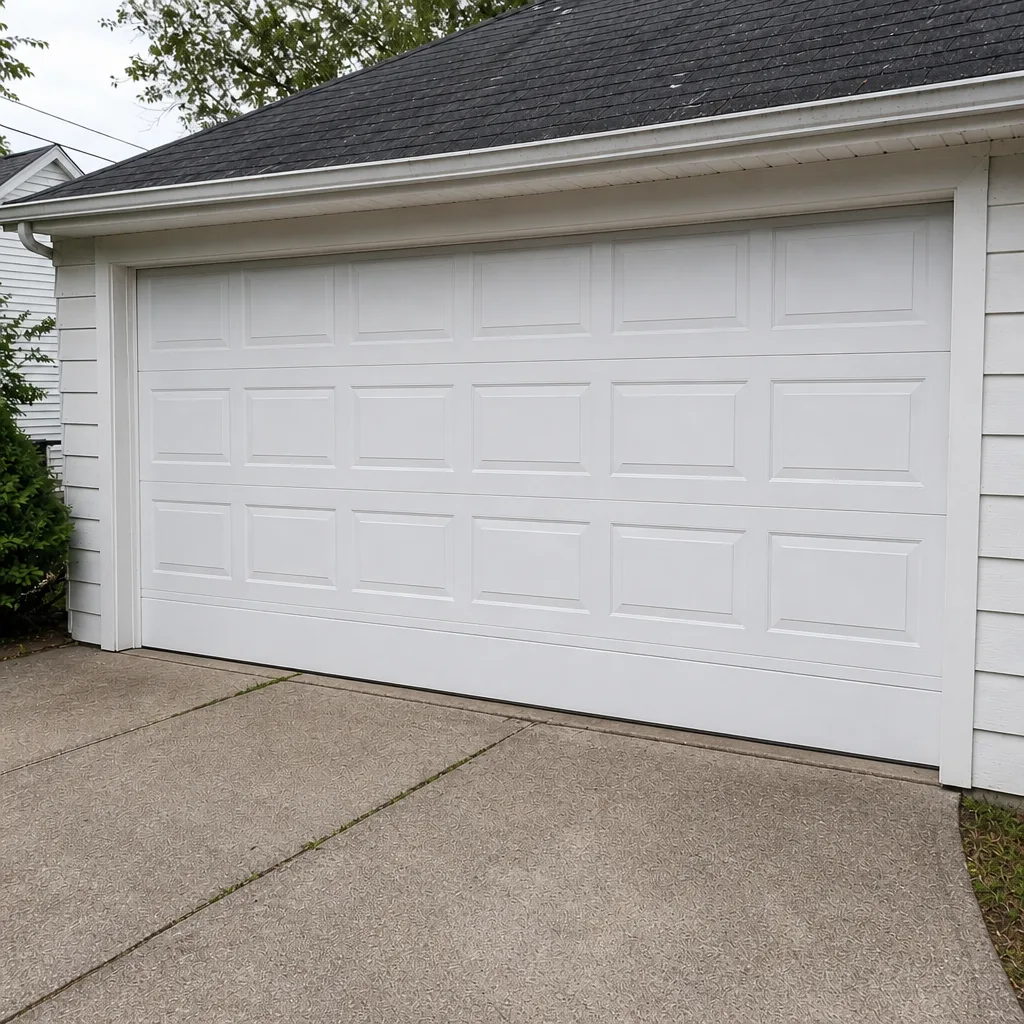
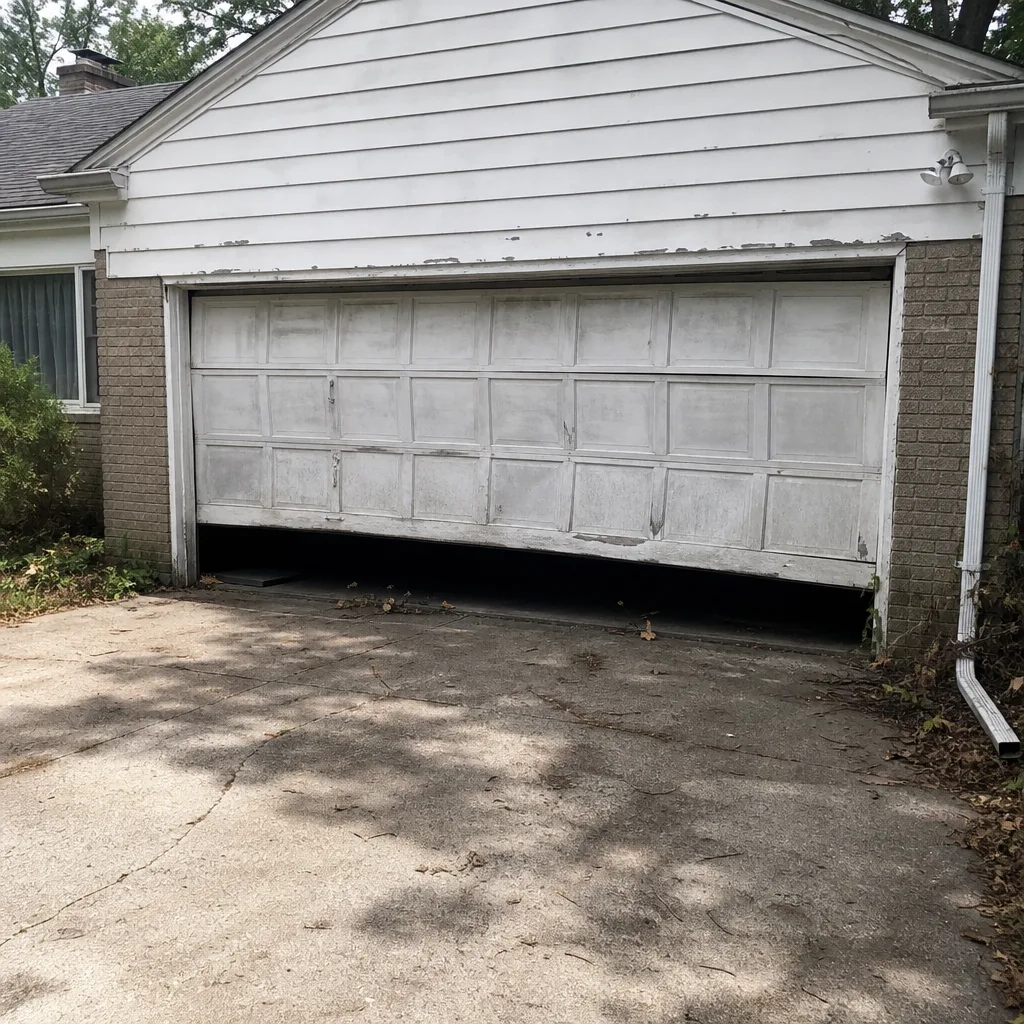
See the difference
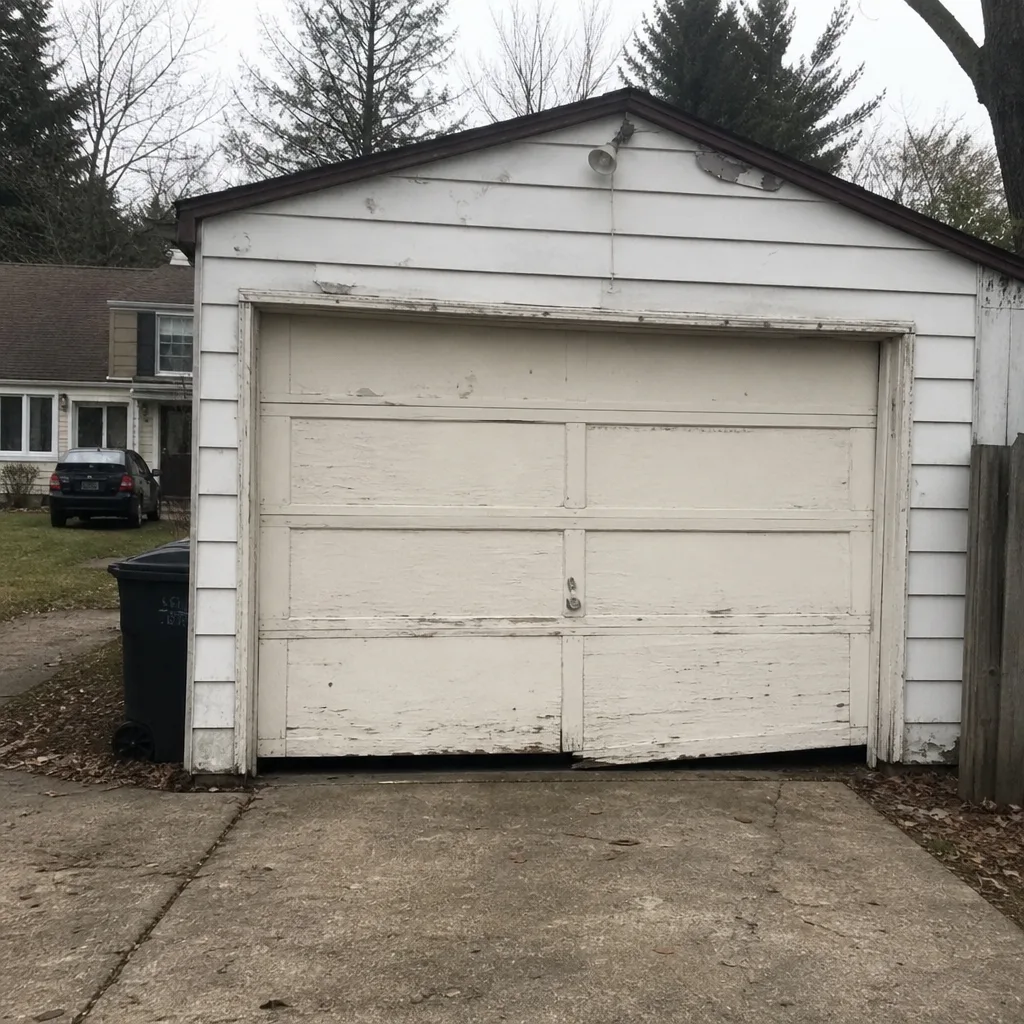 Before
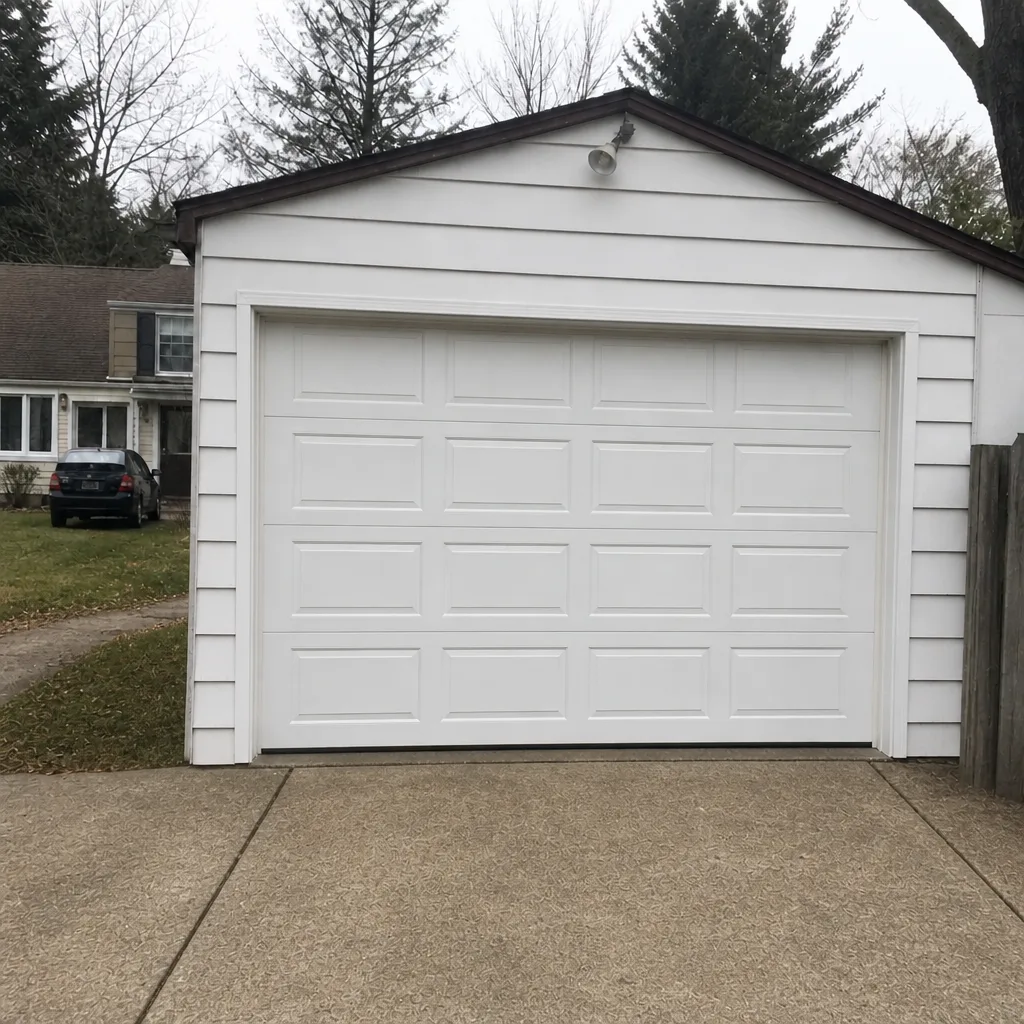 After
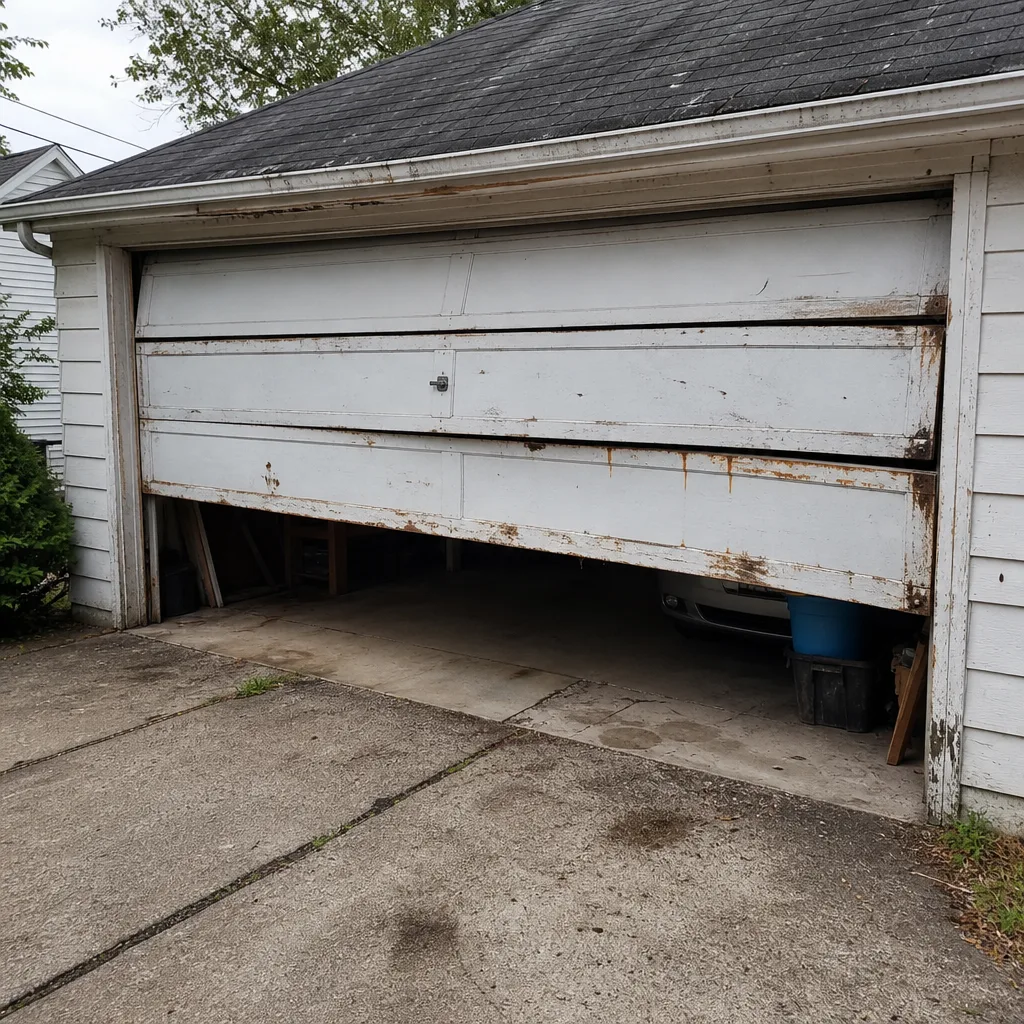 Before
 After
 Before
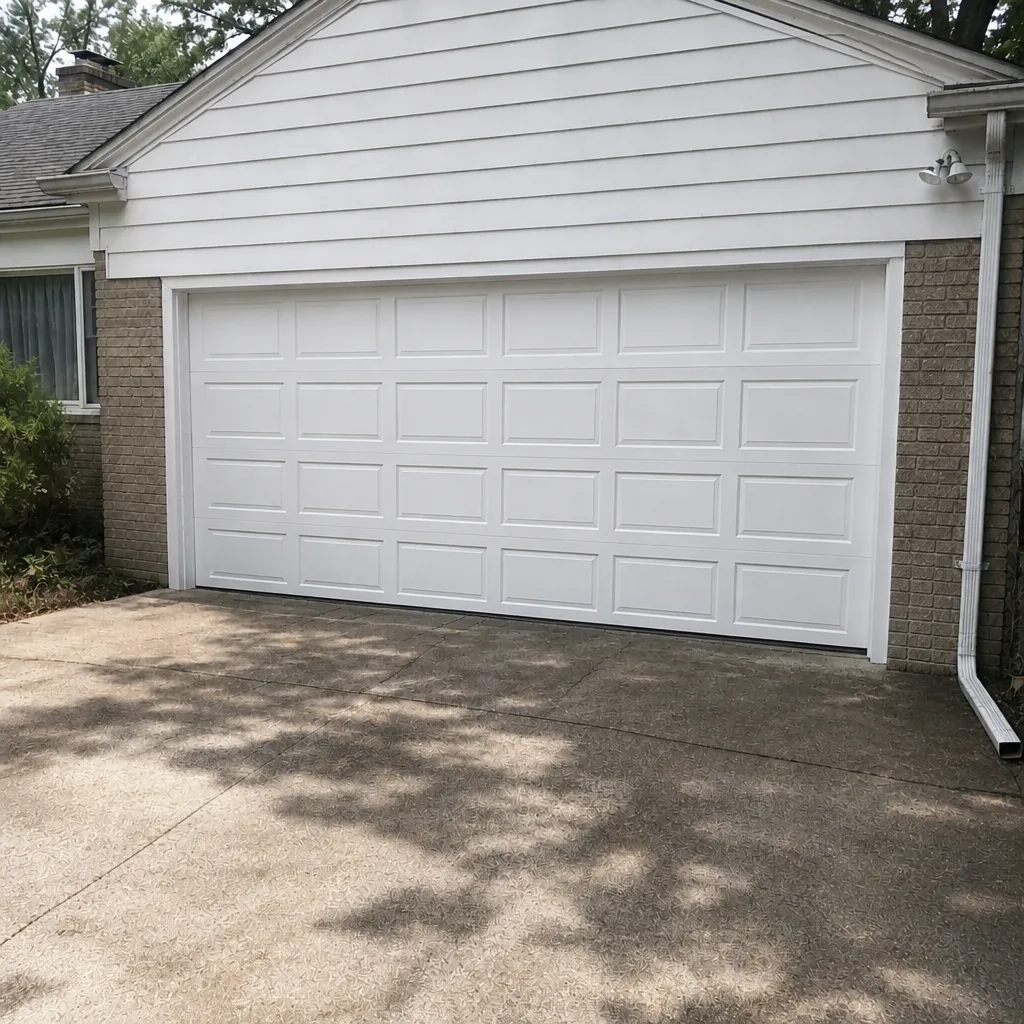 After