
Last updated November 20, 2026
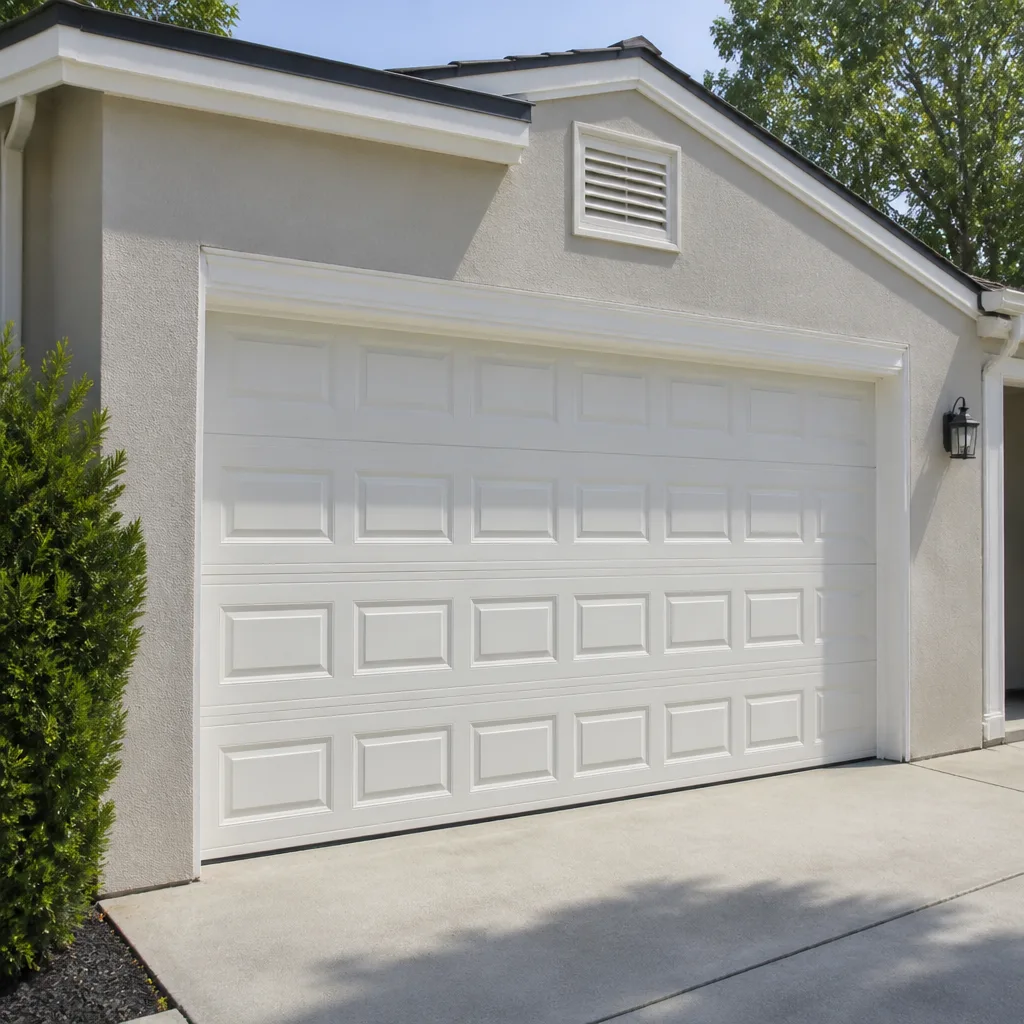 Raised-panel steel
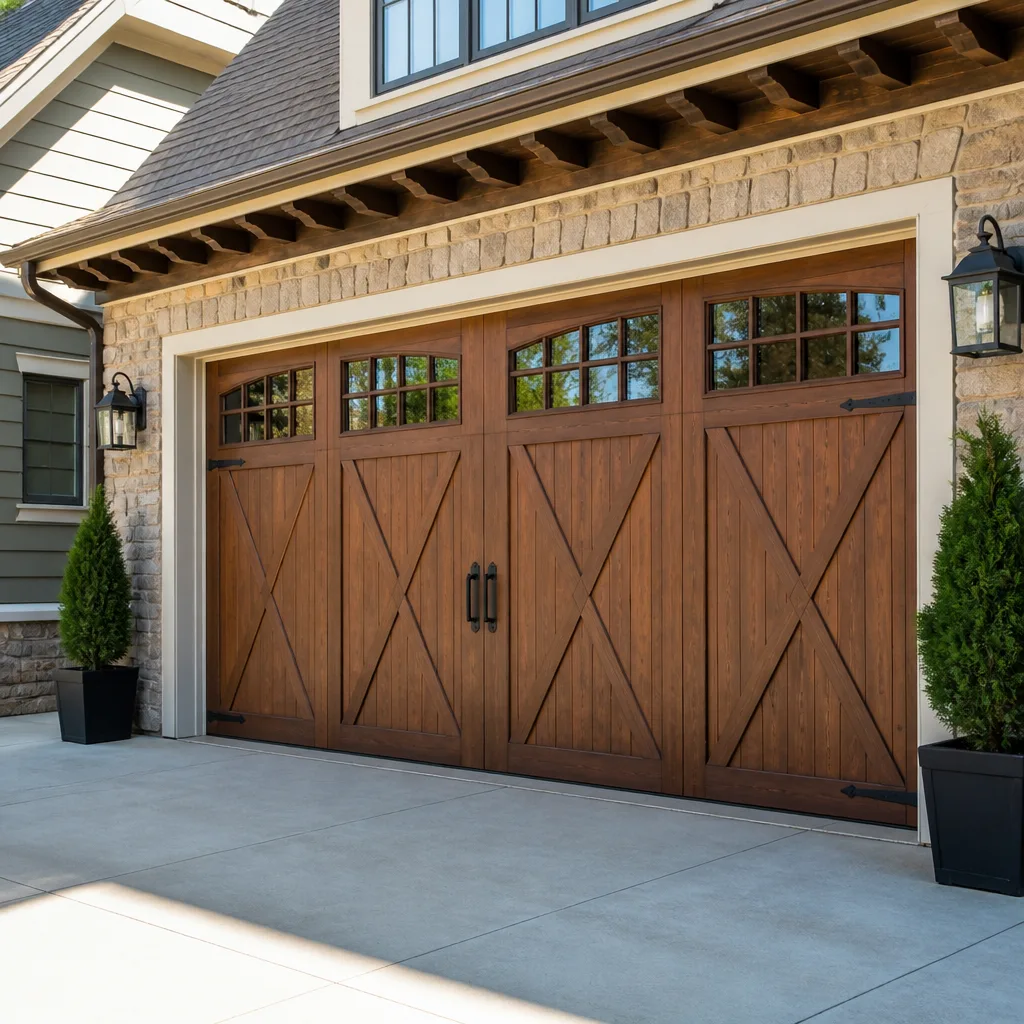 Carriage house
 Modern flush
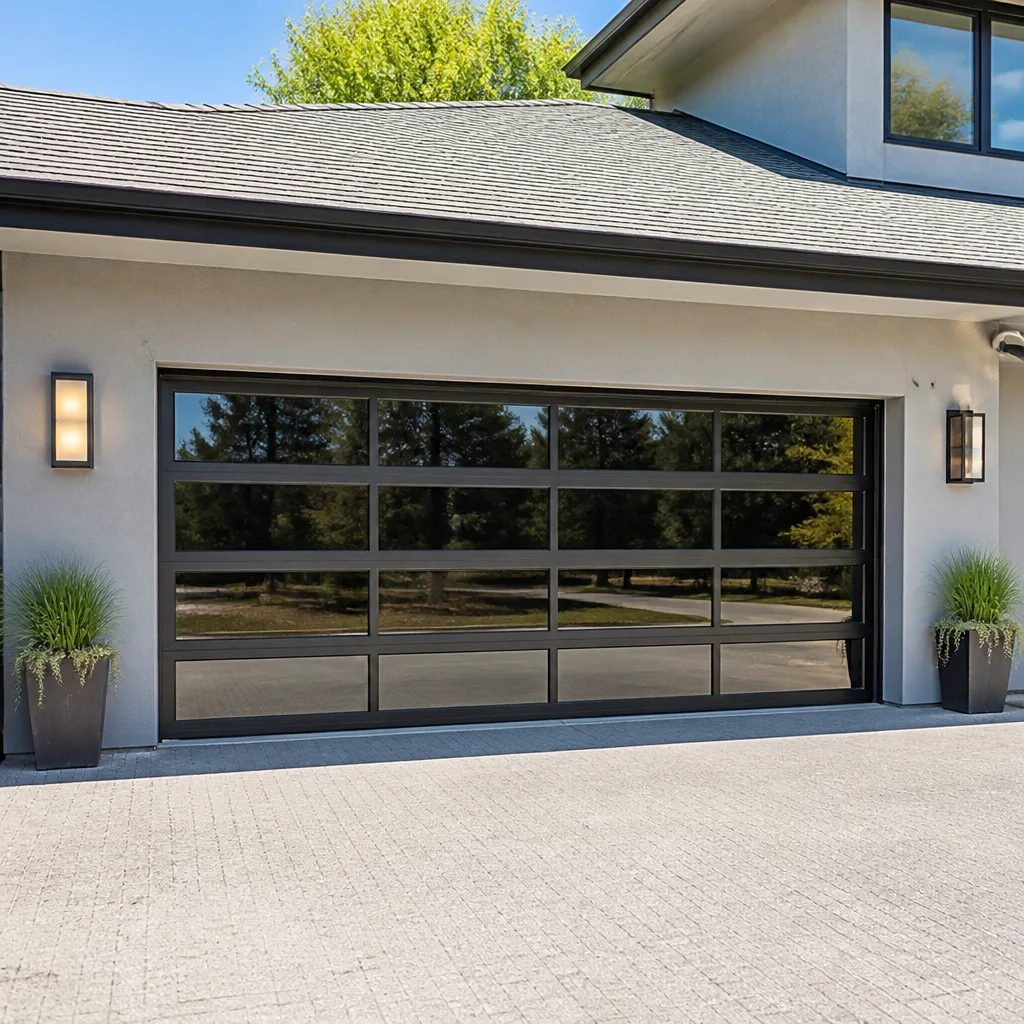 Full-view glass
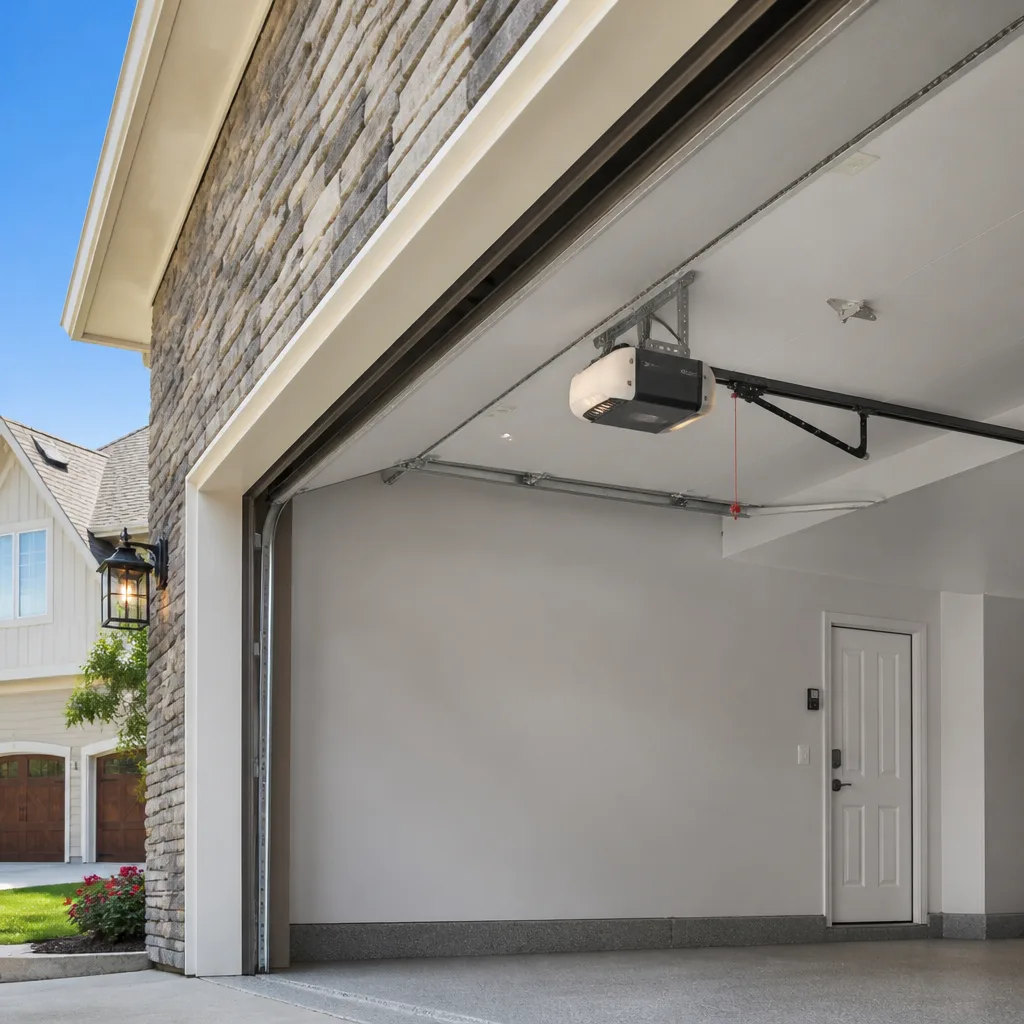 LiftMaster openers
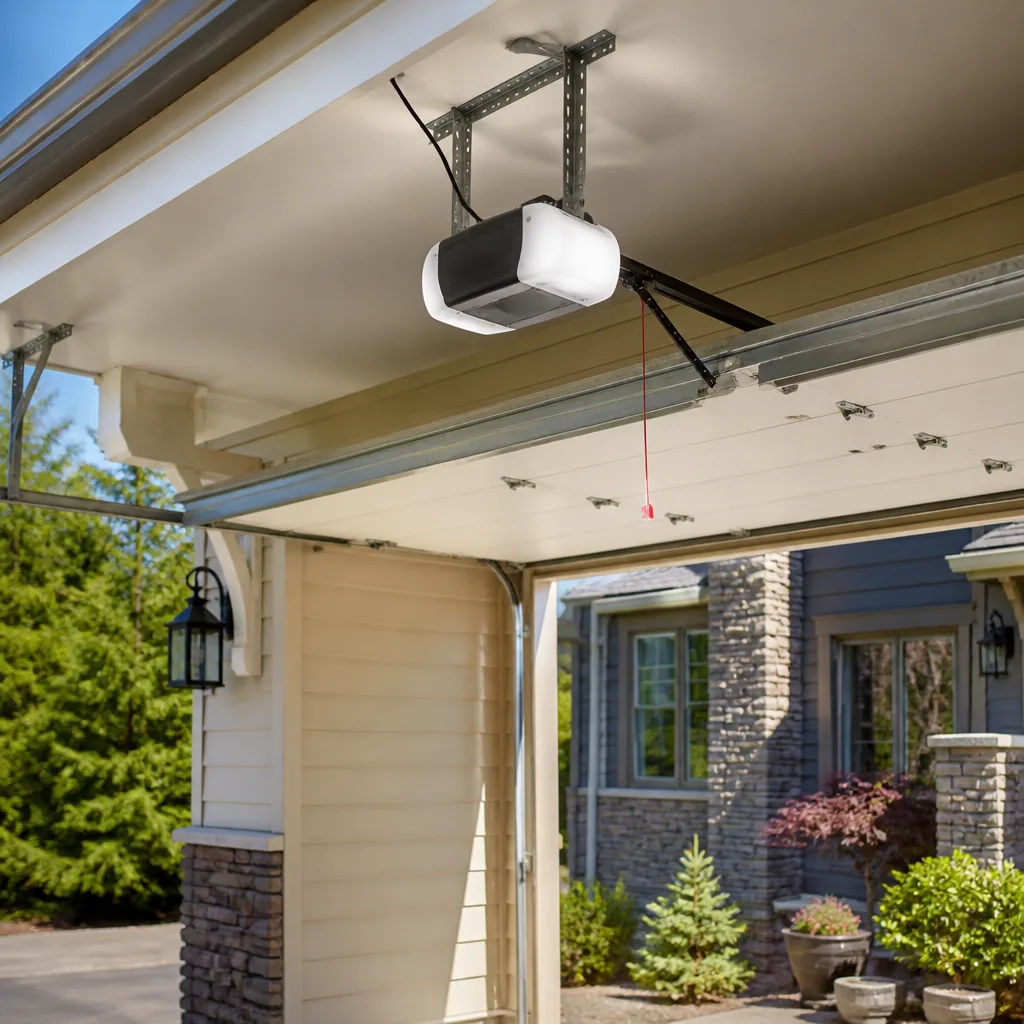 Chamberlain openers
Full 25-point door and opener safety check with every visit - springs, cables, rollers, tracks, and your LiftMaster or Chamberlain opener included
You get a price before we start. It does not change when the pro arrives.
Get your free estimateSeasonal Garage Door Care for Cuyahoga Falls: Year-Round Homeowner’s Guide
Spring isn’t when your garage door is most likely to fail in Cuyahoga Falls. It’s the second week of January, after three freeze-thaw cycles have worked the bottom seal loose and the torsion spring has contracted in the cold for 60 straight days. Most homeowners wait for something to break, then call. This guide flips that: four distinct Northeast Ohio seasons, four different technical problems, and a maintenance schedule that heads off the failures we see most. You’ll learn what to check in fall, what never to do when a door freezes shut, how to read freeze-thaw damage in spring, and why summer heat quietly retunes your opener sensitivity.
Styles & brands we work with
- Raised-panel steel
- Carriage house
- Modern flush
- Full-view glass
- LiftMaster openers
- Chamberlain openers
Quick Answer
Seasonal garage door care in Cuyahoga Falls means matching maintenance to what each season actually does to the door: fall prep that keeps the bottom seal tight and the tracks clear before the first hard freeze, careful handling of a frozen door in winter, a spring inspection of weatherstripping and track alignment once the thaw sets in, and a summer check on torsion spring tension and opener sensitivity as heat and humidity swell the wood and warp the seal. Lubricate twice a year, torque hardware once a year, and watch the bottom seal and spring closely – those two parts take the worst of a Cuyahoga Falls winter.
Table of Contents
- Why Cuyahoga Falls Treats Your Door Differently
- Fall Prep: The Three Winter Failures You Can Prevent
- Winter Response: When the Door Freezes or Drags
- Spring Recovery: Reading Freeze-Thaw Damage
- Summer Heat, Humidity, and Tension Calibration
- The Season-by-Season Lubrication and Torque Schedule
- Common Mistakes to Avoid
- When to Call a Professional
- Frequently Asked Questions
Why Cuyahoga Falls Treats Your Door Differently
A garage door is your home’s largest moving part. In most of the country it faces one dominant stress – heat, or cold, or humidity. In Cuyahoga Falls it faces all of them in the same twelve months. That matters because each season attacks a different part of the system, and a task that protects one part in October can be the wrong thing to do to another part in February.
Think about what actually moves and flexes on your door. The bottom seal compresses against a concrete floor and freezes to it. The torsion spring – the coiled steel that counterbalances the door’s weight – contracts in cold and expands in heat, which shifts how much lift it provides. The tracks are steel, and steel grows and shrinks with temperature, so a track that’s perfectly aligned in July can bind in January. Weatherstripping around the jambs dries, cracks, and pulls loose through repeated freeze-thaw.
Northeast Ohio’s freeze-thaw pattern is the real culprit. Water seeps into a hairline crack in the morning, then expands as it freezes overnight, widening that crack a little more. Cuyahoga Falls sits in a band that gets this cycle repeatedly through the winter, not just once or twice. Over a season, the cumulative effect on seals, weatherstripping, and hardware is far greater than a single cold snap.
There’s also the way homes here are used. For a lot of Cuyahoga Falls homeowners, the garage is the primary entry point – the door cycles twice, four, sometimes six times a day through the school-and-work rhythm, then sits idle. That daily cycling is when a small seasonal problem turns into a real repair. The door doesn’t fail because it sat still for a year; it fails because a weakened spring or a binding track gets exercised hard the first cold morning it’s asked to work.
So treat this guide as four separate technical briefings, not one generic annual checklist. Each section stands alone. If you want the fuller picture of repair work in the area, our Cuyahoga Falls garage door repair page covers what we handle day to day.
Fall Prep: The Three Winter Failures You Can Prevent
Almost every winter garage door breakdown in Cuyahoga Falls traces back to one of three failure modes: a bottom seal that freezes and tears, a torsion spring that snaps in the cold, and tracks that fill with ice and bind the door. Fall is your one clean window to work on all three before the freeze sets in. Here’s what to do.
1. Inspect and treat the bottom seal
The bottom seal is a rubber or vinyl strip that runs the full width of the door and compresses against the floor. When it’s soft and pliable, it seals against drafts, water, and cold air. When it’s dried out or cracked, water gets underneath, freezes, and bonds the door to the concrete. Once you force a bonded door open, the seal tears.
Before the first freeze, run your hand along the seal. It should be flexible, not brittle. Check for cracks, chunks missing, and gaps at the floor. If the seal is dried out, a wipe-down with a silicone-based lubricant keeps it supple through the cold months. If it’s cracked or torn, replace it before winter – a new seal is a small job done now versus a torn seal plus a strained opener later.
2. Have the torsion spring evaluated
Cold contracts steel. A torsion spring that’s near the end of its cycle life is under more stress in January than in July, and that’s when it tends to give. You can’t test a torsion spring’s remaining life by looking at it – the winding is under serious tension, and the failure happens suddenly. What you can do is watch for the signals: a door that feels heavier than usual to lift manually, a door that opens partway and stops, or visible gaps or a stretched appearance in the coil.
We see the spring question come up most in the cold months, and it’s the one repair we tell homeowners never to attempt themselves. A torsion spring stores enough energy to cause severe injury if it releases unexpectedly. Fall is the right time to have it inspected by a trained technician so you know where you stand before the season that stresses it most. Our garage door spring repair service handles exactly this evaluation.
3. Clear and align the tracks
Ice in the tracks is the third winter failure. If the tracks are packed with debris, leaves, or hardened grease in the fall, moisture collects there and freezes into a ridge the rollers can’t climb. Blow or brush the tracks clean, and check that the vertical and horizontal sections are still parallel. A track knocked slightly out of alignment in the fall will bind badly once ice enters the picture.
While you’re at it, look at the gap between the door and the jamb. Gaps larger than a finger width mean cold air and snow are getting behind the door, which feeds the freeze-thaw cycle on the seal and tracks.
Winter Response: When the Door Freezes or Drags
When a garage door freezes to the floor or moves sluggishly in sub-zero temperatures, the first move is not to force it. Forcing a bonded door is how a small winter nuisance becomes a broken spring, a stripped gear in the opener, or a torn seal. What you do in the first five minutes matters more than anything else.
When the door is frozen to the floor
The door is frozen when it won’t budge, or moves an inch and stops hard, and you can see ice at the bottom edge. Here’s the right order:
- Stop pressing the opener button. Repeated cycling against a frozen seal strains the opener and the spring.
- Look for the ice. Check the full width of the bottom seal against the floor, especially the corners where water pools.
- Melt the bond gently. Warm (not boiling) water along the seal, or a space heater aimed at the base for a short time, loosens the ice bond. Never use a torch, a heat gun on high, or boiling water – you’ll warp the seal or crack the concrete.
- Clear the ice from the tracks as well. If ice has formed in the track, the door will bind even after the seal releases.
- Test by hand first. Once it’s free, lift the door manually a foot or two before using the opener. If it still drags, the problem isn’t just ice.
When the door moves but drags
Sluggish movement in the cold is usually one of three things: cold-stiffened rollers and hinges, a seal dragging on ice, or a spring that’s lost lift in the cold. A door that hesitates on the way up and feels heavy by hand is a spring or balance issue, and that’s a call-a-technician situation. A door that moves but sounds rough is often just hardware needing cold-weather lubrication. A door that reverses on its own may have an opener sensitivity problem that the cold has exposed.
One safety note for the winter months: never stand under a partially open door to inspect anything, and never prop a door open with the opener disengaged in a way that puts the door’s weight on a single point. Cold makes steel brittle, and a door that drops is far more dangerous than one that won’t open. If a spring has visibly snapped, keep everyone clear of the door and call for service – don’t try to open it manually.
If your door fails outside normal repair hours, our line is answered around the clock and we can book urgent work fast: fast dispatch from 7am to 7pm, Sunday through Friday. Call (877) 770-0890.
Spring Recovery: Reading Freeze-Thaw Damage
Once the ground thaws and the ice is gone, your garage door has been through a full Cuyahoga Falls winter – and it’s carrying damage you can’t see until you look. Spring recovery isn’t about cleaning up; it’s about finding what the freeze-thaw cycle did to three specific parts: the weatherstripping, the cables, and the track alignment.
Weatherstripping
The rubber or vinyl weatherstripping around the door frame and along the bottom absorbs the most freeze-thaw punishment. Check it for:
- Cracks and splits along the fold where the seal bends against the floor or frame.
- Compression set – a seal that’s flattened and no longer springs back, so it stops sealing drafts.
- Loose or missing sections where ice pulled the seal away from the retainer or the frame.
- Water staining or rot on wood jamb stops, which swells and cracks after a wet freeze-thaw season.
Replace weatherstripping that’s cracked or compressed. It’s an inexpensive part that protects the door, the tracks, and the interior of the garage from the next round of moisture.
Cables
The lift cables run from the bottom corners of the door up to the drums at the top, and they live under tension. Freeze-thaw doesn’t usually snap a cable directly, but winter stresses it: a binding track or a heavy door drags the cable over a rough spot, and a small fray becomes a bigger one. Look along each cable for frayed strands, kinks, or a cable that’s jumped its drum. A frayed cable is a safety issue – the door’s weight is riding on it. Don’t touch it yourself; have it inspected.
Track alignment
Spring is when out-of-alignment tracks show up clearly. After a winter of freeze-thaw heaving the concrete and ice pressing on the tracks, the vertical and horizontal sections can drift out of parallel. Watch for a door that binds at a certain height, a gap between the roller and the track, or tracks that look bent. A track that’s slightly out of line will wear the rollers and work the cables harder all year.
If the spring inspection turns up a problem, or you’re not sure what you’re looking at, our garage door repair team can take a look and give you a straight answer. The estimate is free, and the price is quoted and agreed before any work starts.
Summer Heat, Humidity, and Tension Calibration
Summer in Cuyahoga Falls brings the opposite stress: heat and humidity instead of cold and ice. Both mess with the two most finely tuned parts of your system – the torsion spring and the opener’s sensitivity settings – and both problems tend to show up quietly, then surprise you.
Heat and torsion spring tension
A torsion spring’s lift depends on the tension it’s wound to. Heat expands the steel and can slightly change how that tension translates to the door, and humidity swells wood door panels and warps vinyl seals. The result: a door that balanced perfectly in April can feel a touch heavy or a touch light in July. You’ll notice it as a door that doesn’t stay open when you lift it halfway by hand, or one that drifts closed on its own.
This is a calibration issue, and recalibrating tension means adjusting the spring – which is exactly the part we tell homeowners to leave to a trained technician. The spring under tension is dangerous to adjust without proper tools and training. If your door is out of balance, have it checked rather than adjusting the spring yourself.
Humidity and opener sensitivity
Modern openers use sensitivity settings to know when to stop and reverse if the door meets resistance. Heat and humidity change the resistance the door presents, so a safety setting tuned in spring can be slightly off by midsummer. Test your door’s safety reverse each month: lay a roll of paper towels flat on the floor under the door, close the door, and confirm it reverses on contact. If it doesn’t reverse, or reverses too easily, the opener sensitivity needs adjusting.
If the opener is behaving oddly – reversing without reason, failing to close, or the remotes getting flaky in the heat – our garage door opener repair service covers the major brands, including LiftMaster and Chamberlain systems. We work on the brand you already have, so there’s no reason to replace a unit that just needs a setting corrected or a part swapped.
Summer is also the season to look at the door’s finish. Sun and humidity work on wood and steel surfaces alike, and a door that needs repainting or resealing is easier to handle in warm, dry weather than in the cold.
The Season-by-Season Lubrication and Torque Schedule
Lubrication and hardware torque are the two maintenance tasks that keep everything else working. Done on the right schedule, they extend the life of your rollers, hinges, and spring and keep the door quiet and balanced. Done at the wrong time or with the wrong product, they attract dirt and gum up the works. Here’s the schedule we recommend for a Cuyahoga Falls door.
Twice a year: lubricate (fall and spring)
Lubricate the moving metal parts twice a year – once in fall before the cold and once in spring after the thaw. Use a garage-door-specific spray lubricant or white lithium grease on:
- Rollers (the bearings and stems, not the rubber tires on nylon rollers – those can be left alone)
- Hinges at every pivot point
- The torsion spring coils (a light coat quiets the spring and slows corrosion)
- Lock and latch mechanisms, if you have them
Don’t lubricate the tracks. Tracks should be clean and dry; grease in the tracks collects dirt and turns into a paste that binds the rollers. Wipe tracks down with a dry cloth or a light solvent instead.
A note on silicone versus oil: for the bottom seal and any rubber weatherstripping, use a silicone-based product, because petroleum-based lubricants degrade rubber over time. For metal hinges and the spring, a lithium or garage-door lubricant works well.
Once a year: inspect and torque hardware (fall)
Vibration from daily cycling loosens the bolts and screws that hold the hinges, brackets, and track supports. Once a year, before winter, go through the door and check that every bolt and screw is snug. Check the track support brackets particularly, since a loose bracket lets the track move and bind.
Torquing hardware is check-and-tighten, not force. Snug is the goal; overtightening can strip the bolt or crack a bracket. If you find a hinge with a worn-out pivot or a roller that no longer spins, replace it – a shot roller drags on the track and works the whole door harder.
Monthly: safety and function check
Once a month, all year, test the opener’s safety reverse and the photo-eye sensors. The safety reverse test (paper-towel roll on the floor) confirms the door reverses on contact. The photo-eye test – wave an object through the beam while the door is closing – confirms the sensors stop the door. If either fails, the opener settings or a sensor need attention.
Here’s the whole schedule in one place:
- Monthly: safety reverse and photo-eye test; listen for new noises.
- Fall: lubricate rollers, hinges, spring; check and torque hardware; inspect the bottom seal and weatherstripping; clear tracks.
- Winter: keep the seal and tracks free of ice; watch for dragging or sluggish movement; don’t force a frozen door.
- Spring: inspect weatherstripping, cables, and track alignment after the thaw; lubricate again.
- Summer: check door balance and opener sensitivity; inspect the finish.
For the brand-specific quirks of your exact system, our technicians work with Craftsman and Raynor openers as well as LiftMaster and Chamberlain. Our technicians have up to 10 years of experience across these systems.
Common Mistakes to Avoid
- Forcing a frozen door open. It’s the fastest way to snap a spring, strip a gear, or tear a seal. Melt the ice bond first, then test by hand. In Cuyahoga Falls, where the freeze-thaw cycle runs for months, a door that freezes twice a winter is a sign the seal or weatherstripping needs replacing before the next one.
- Greasing the tracks. It’s the most common mistake we see. Grease collects dirt and turns into a binding paste that gets worse in cold weather. Tracks stay clean and dry; only the rollers, hinges, and spring get lubricant.
- Adjusting torsion spring tension without training. The spring is under serious tension, and adjusting it is genuinely dangerous. Have it inspected and calibrated by a technician instead.
- Skipping the fall weatherstripping check. A seal that looks fine in September can crack in the first freeze. Check it before winter, not after the door freezes shut.
- Ignoring a slightly sluggish door through winter. A door that drags a little in December is telling you something. By February, that small drag is a broken part. Notice the change early and have it checked.
- Using petroleum products on rubber seals. Oil-based lubricants degrade the rubber and leave it brittle, which is exactly what you don’t want before a cold season.
- Waiting until something breaks to call. Seasonal care is cheaper and less stressful than winter emergency repair. A fall inspection costs far less than a mid-January spring replacement.
When to Call a Professional
Some seasonal tasks are homeowner-friendly: seal inspection, lubrication, wiping tracks, and testing safety reverse. Others call for a trained technician. Call a professional if the door feels heavy or won’t stay open when you lift it by hand, if the spring looks stretched or you hear a loud snap, if the door is off its track or binds at a certain height, if the cables are frayed or jumped a drum, if the opener reverses without reason or fails the safety test repeatedly, or if a door is frozen and gentle thawing doesn’t free it.
Cuyahoga Falls Garage Door Repair offers free estimates in Cuyahoga Falls – call (877) 770-0890. We answer 24/7, with fast dispatch from 7am to 7pm, Sunday through Friday. The price is quoted and agreed before any work starts, and our technicians have up to 10 years of experience with the brands homeowners actually own.
Frequently Asked Questions
Start fall prep before the first hard freeze – typically late September through October in Northeast Ohio. That gives you time to inspect and replace the bottom seal and weatherstripping, clear the tracks, and have the torsion spring evaluated before the cold sets in. If you wait until November, you’re working against the first freeze rather than ahead of it. Call (877) 770-0890 for a free estimate if you’d rather have a technician handle the inspection.
Don’t force it open. Stop pressing the opener, find the ice along the bottom seal, and melt the bond with warm (not boiling) water or a space heater aimed at the base for a short time. Clear any ice in the tracks, then test by lifting the door by hand before using the opener. Never use a torch or a high heat gun – you’ll warp the seal or crack the concrete. If the door still won’t move after gentle thawing, call for service.
You can lubricate the rollers, hinges, and spring yourself – it’s one of the homeowner-friendly seasonal tasks. Use a garage-door-specific spray lubricant or white lithium grease on the moving metal parts twice a year, and don’t grease the tracks. What you shouldn’t do yourself is adjust the torsion spring or cables; that’s the part to leave to a technician.
Heat expands the steel in the torsion spring and swells wood panels and vinyl seals, which changes the door’s balance and how the opener’s sensitivity settings behave. A door that balanced in spring can feel heavy or light in the summer heat. If it’s out of balance, have the spring and opener checked rather than adjusting them yourself – spring tension is the dangerous part. Call (877) 770-0890 for a free estimate.
Once a month, all year. Lay a roll of paper towels on the floor under the door, close it, and confirm it reverses on contact. Wave an object through the photo-eye beam while the door closes to confirm the sensors work too. If either test fails, the opener settings or a sensor need attention, and that’s worth a service call before it becomes a bigger problem.
No surprises – the price is quoted and agreed before any work starts. When you call, we’ll talk through what’s happening, and the technician confirms the scope and price with you before touching the door. The estimate is free, and the written quote is the price you pay. Call (877) 770-0890 to get an exact quote.
The Bottom Line
Cuyahoga Falls asks more of a garage door than most places: four distinct seasons, a freeze-thaw cycle that works on seals and hardware for months, and daily cycling as a primary entry point. The care that keeps up is seasonal, not annual. Prep the seal, tracks, and spring in fall; handle a frozen door gently in winter; inspect weatherstripping, cables, and tracks in spring; check balance and opener sensitivity in summer. Lubricate twice a year, check hardware once, and test the safety reverse monthly. The parts that take the worst of it – the bottom seal and the torsion spring – are the two to watch closest. If something’s off, a trained technician can settle it before it becomes a January emergency.
Call (877) 770-0890 for a free estimate. We answer 24/7, with fast dispatch from 7am to 7pm, Sunday through Friday. Whether it’s a spring, an opener, a panel, or a full new door, it’s a garage door job – and that’s all we do.
Written by the team at Cuyahoga Falls Garage Door Repair.
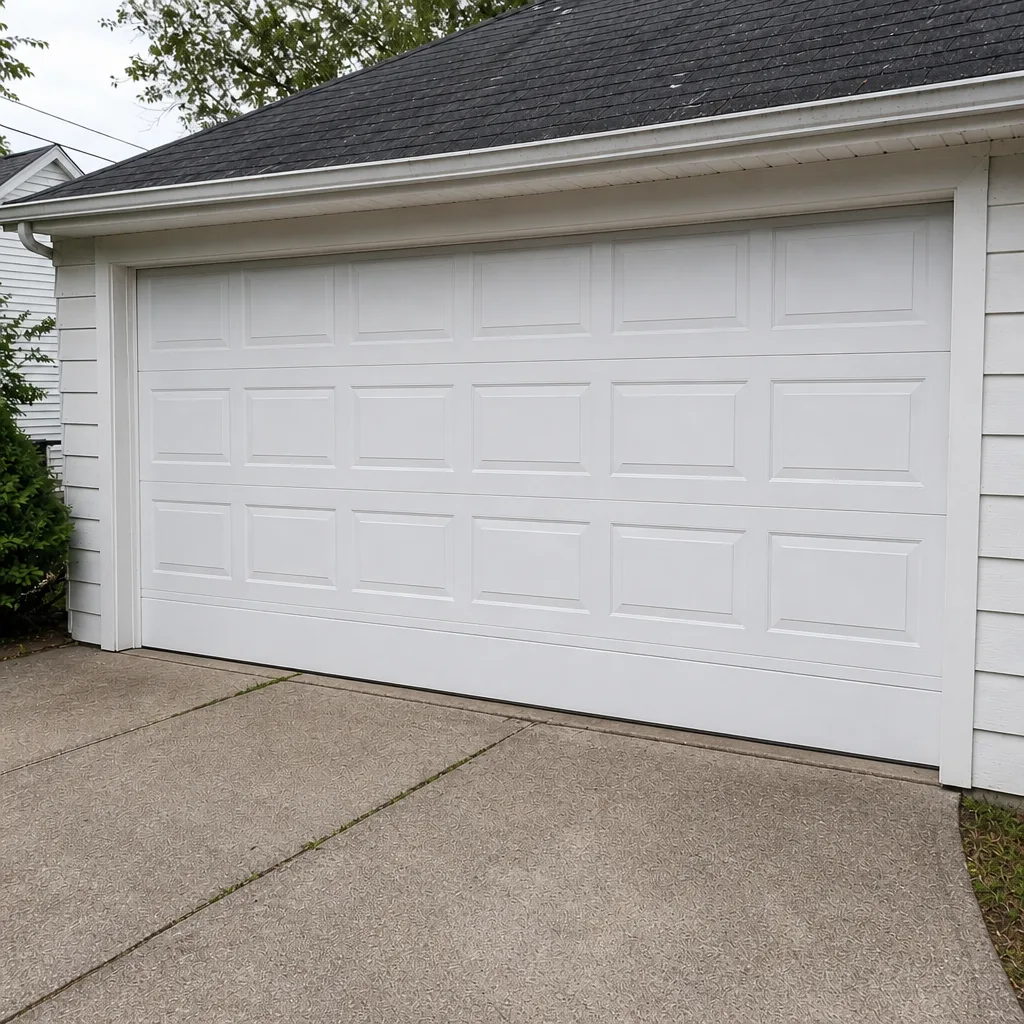
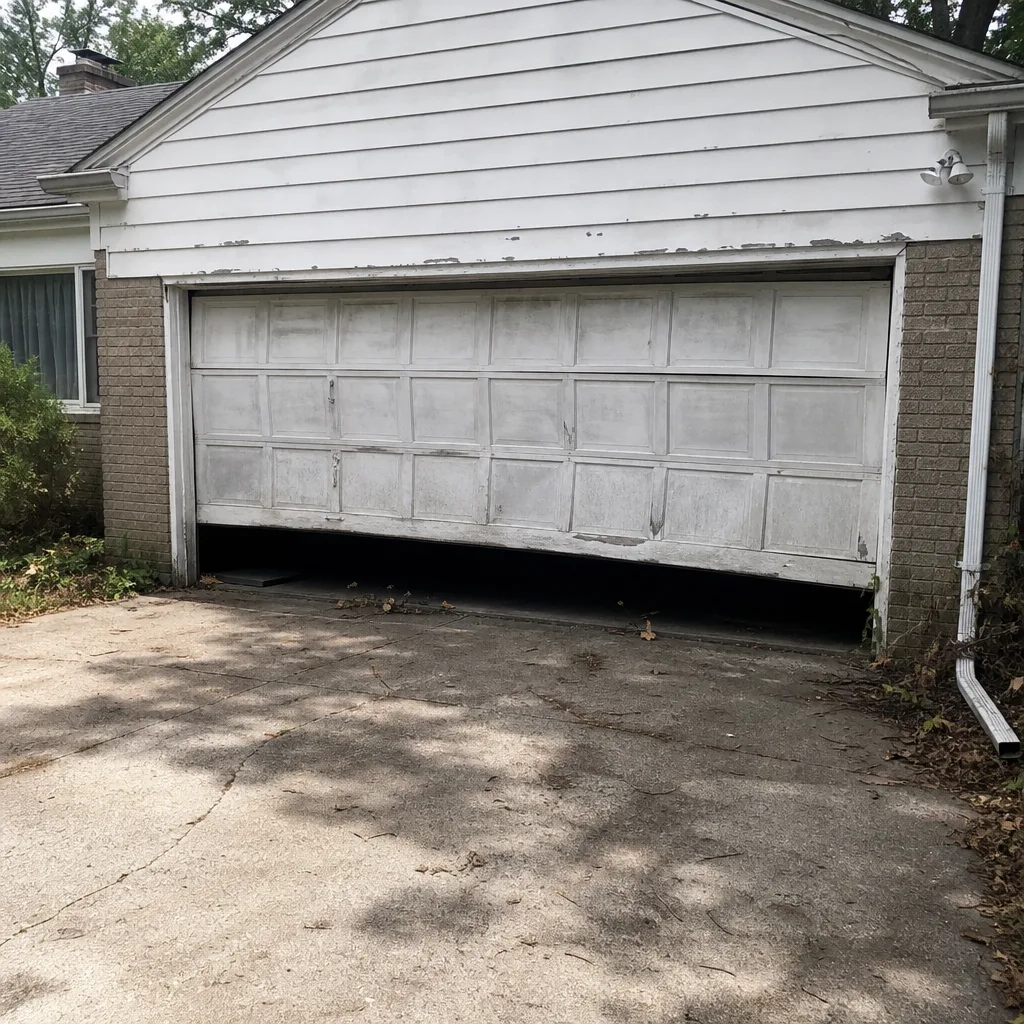
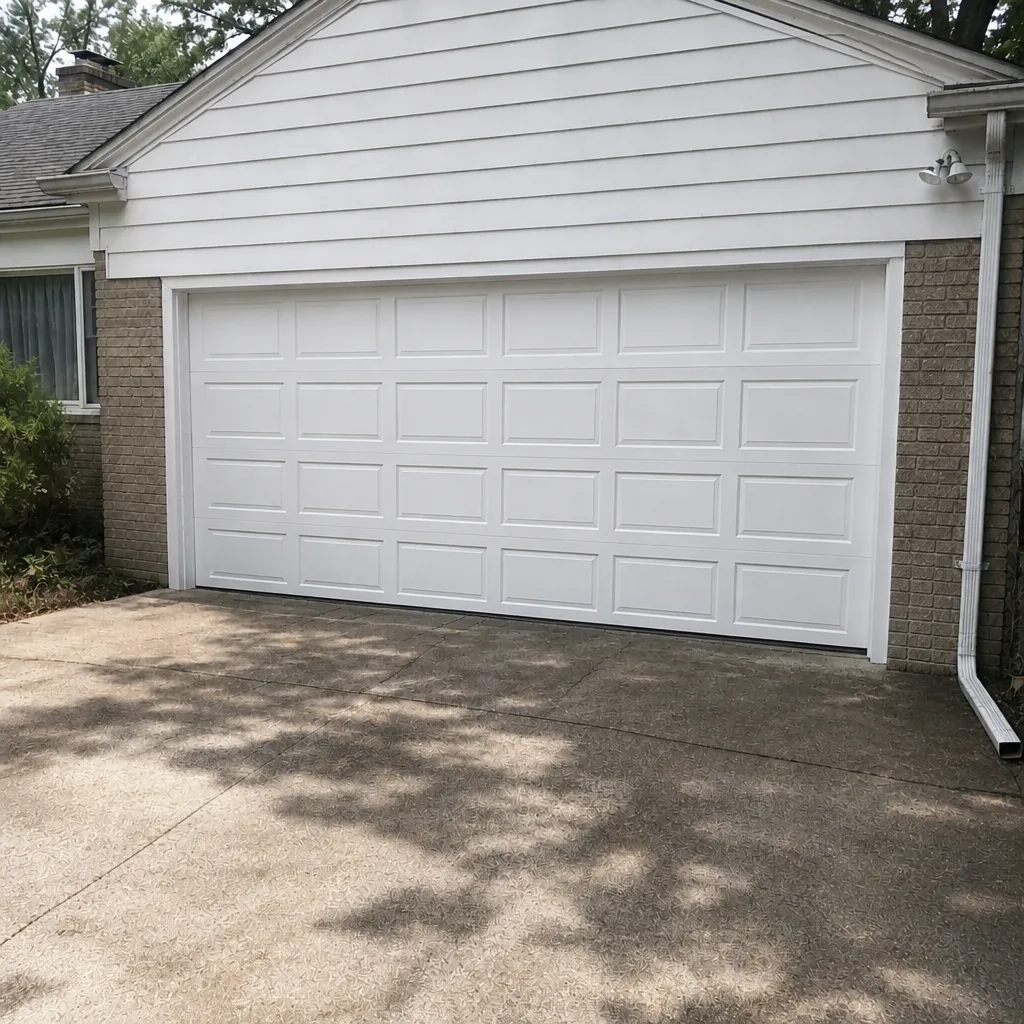
See the difference
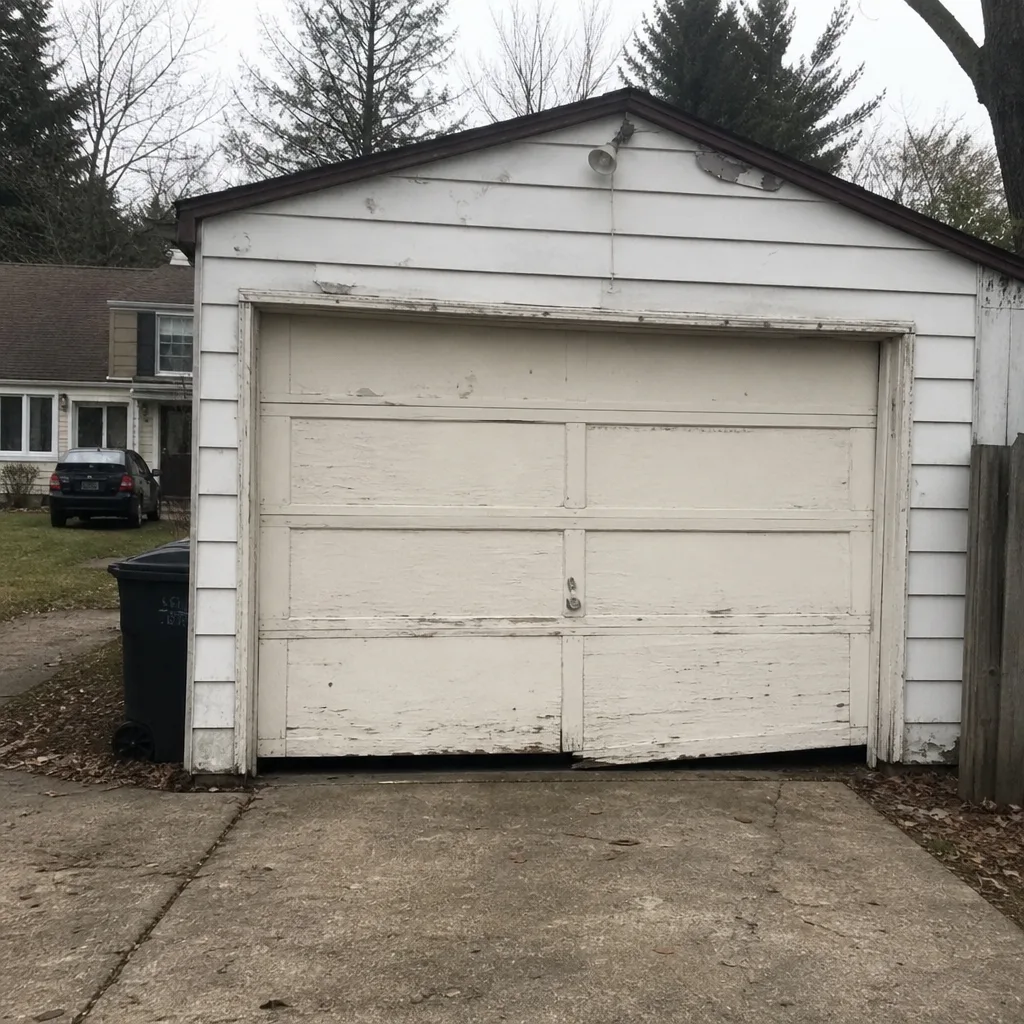 Before
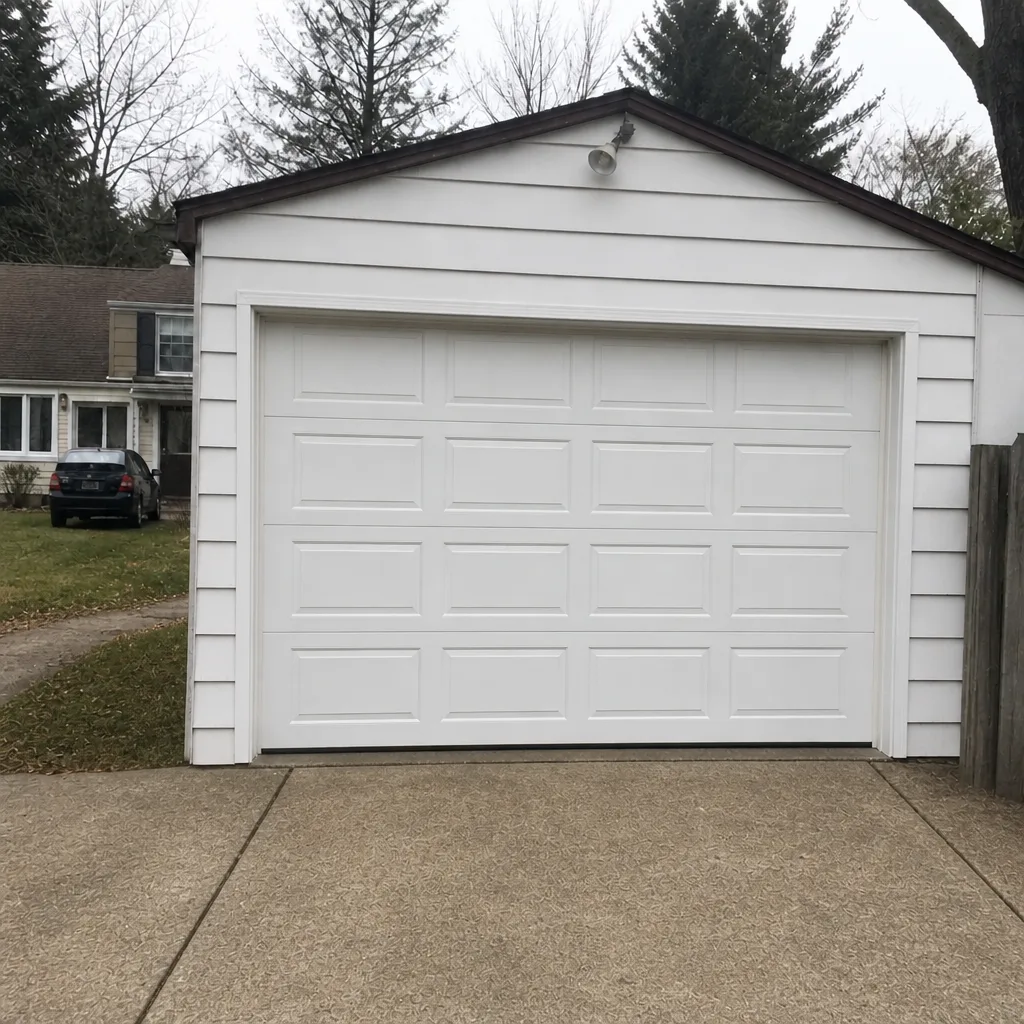 After
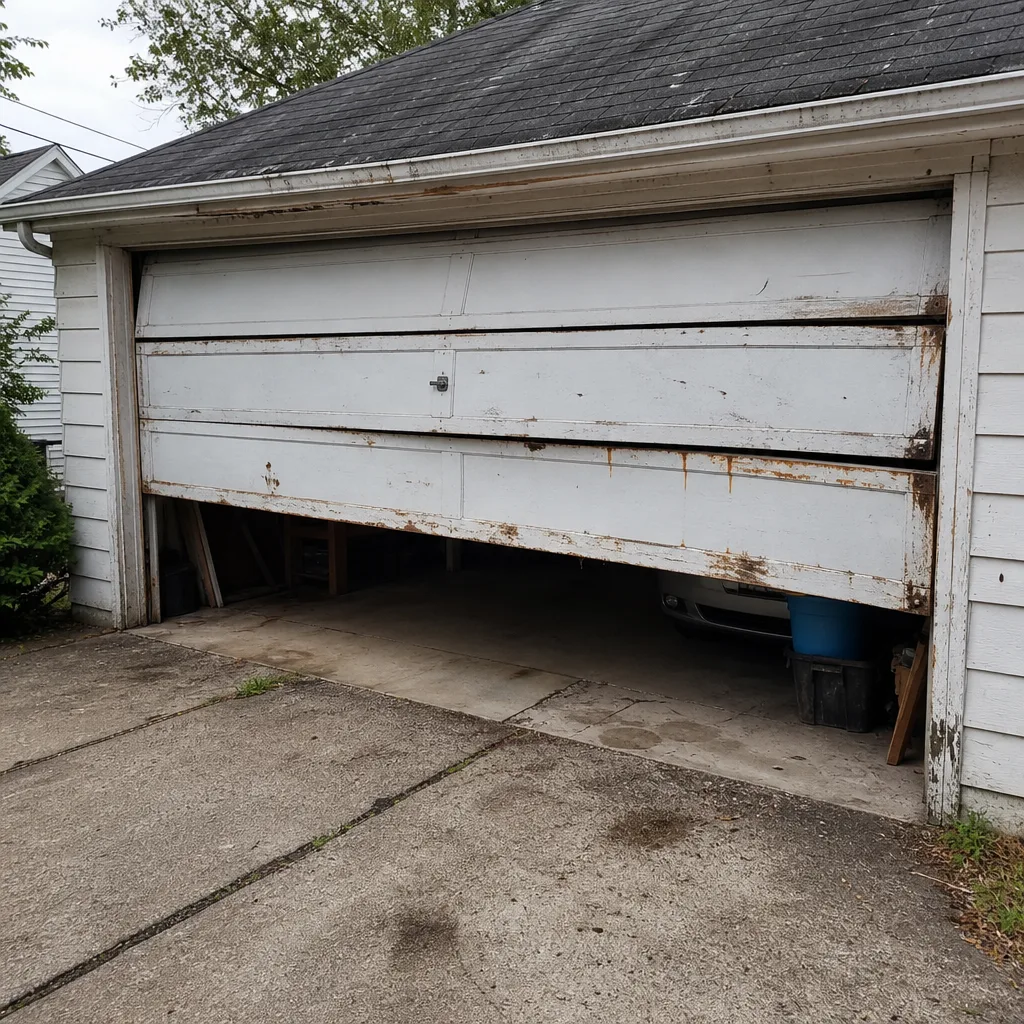 Before
 After
 Before
 After