
Last updated November 20, 2026
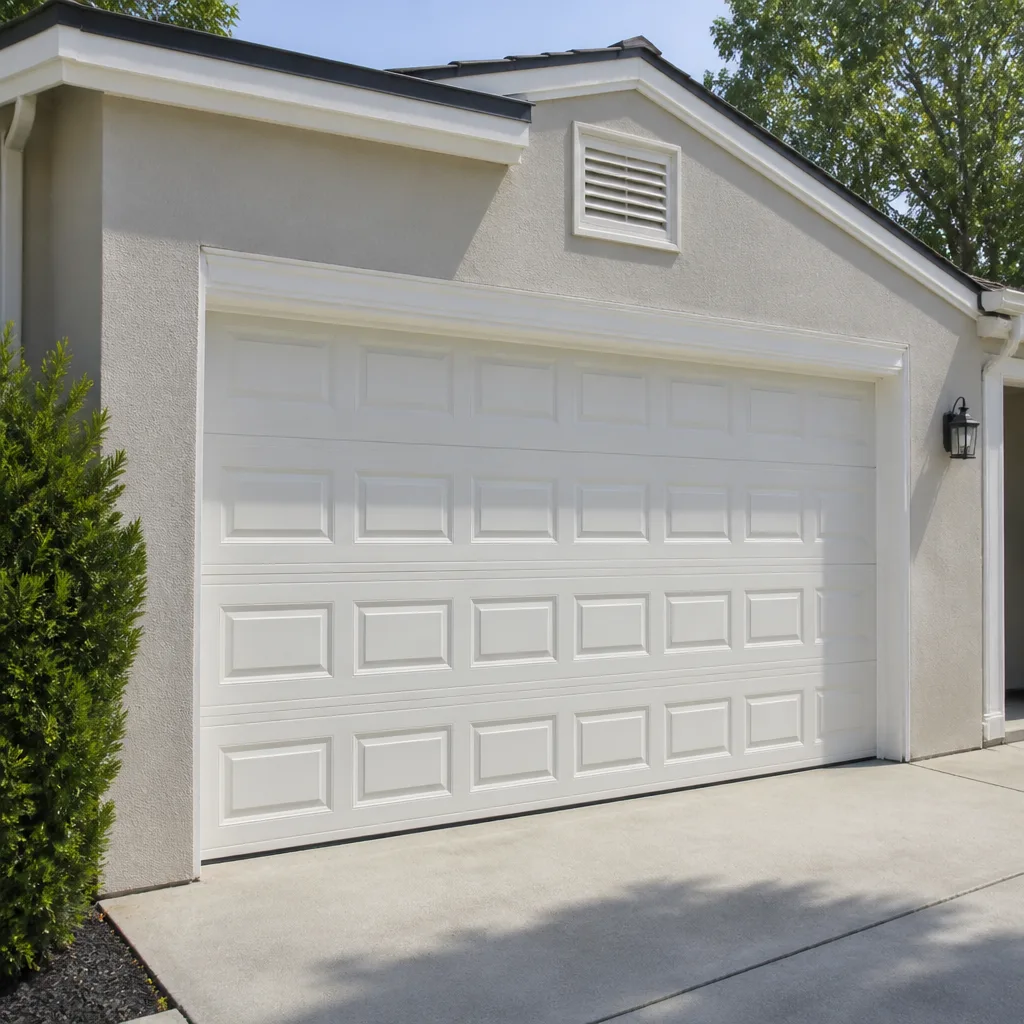 Raised-panel steel
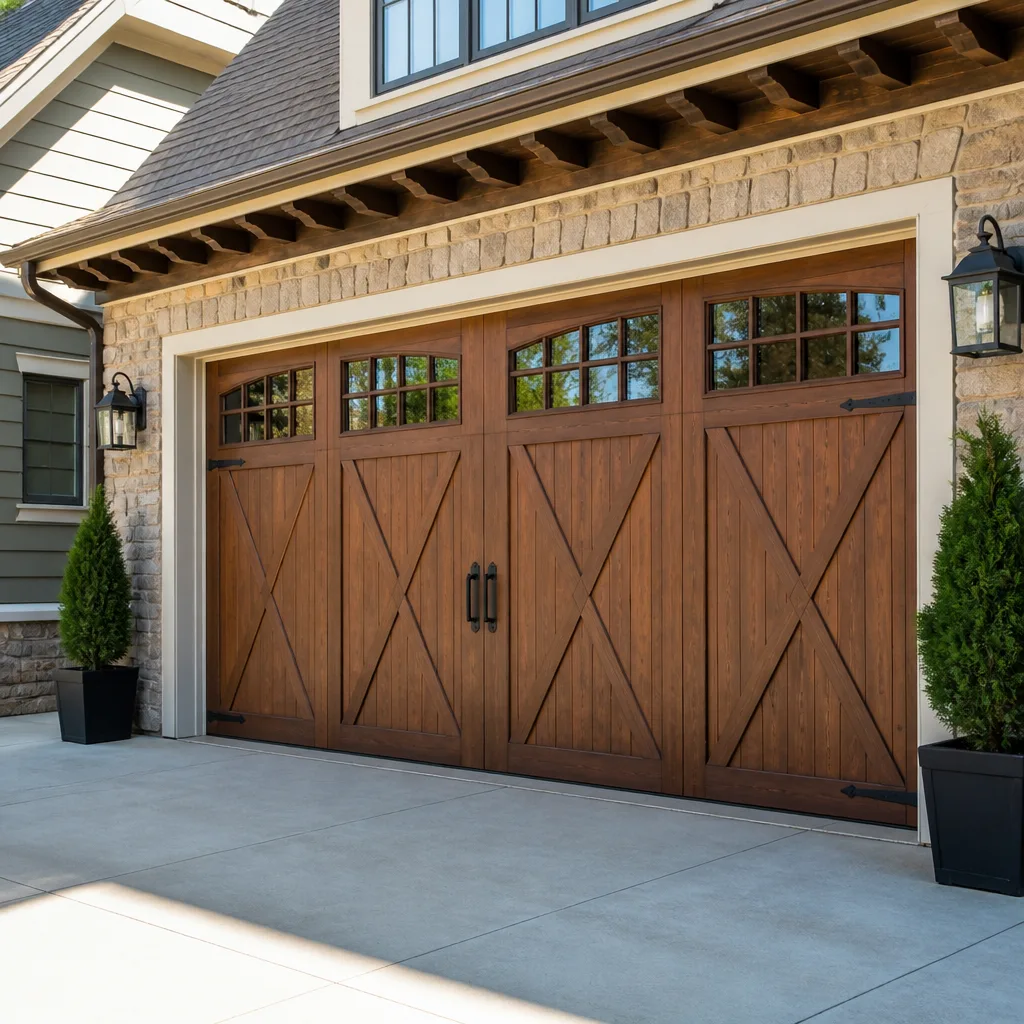 Carriage house
 Modern flush
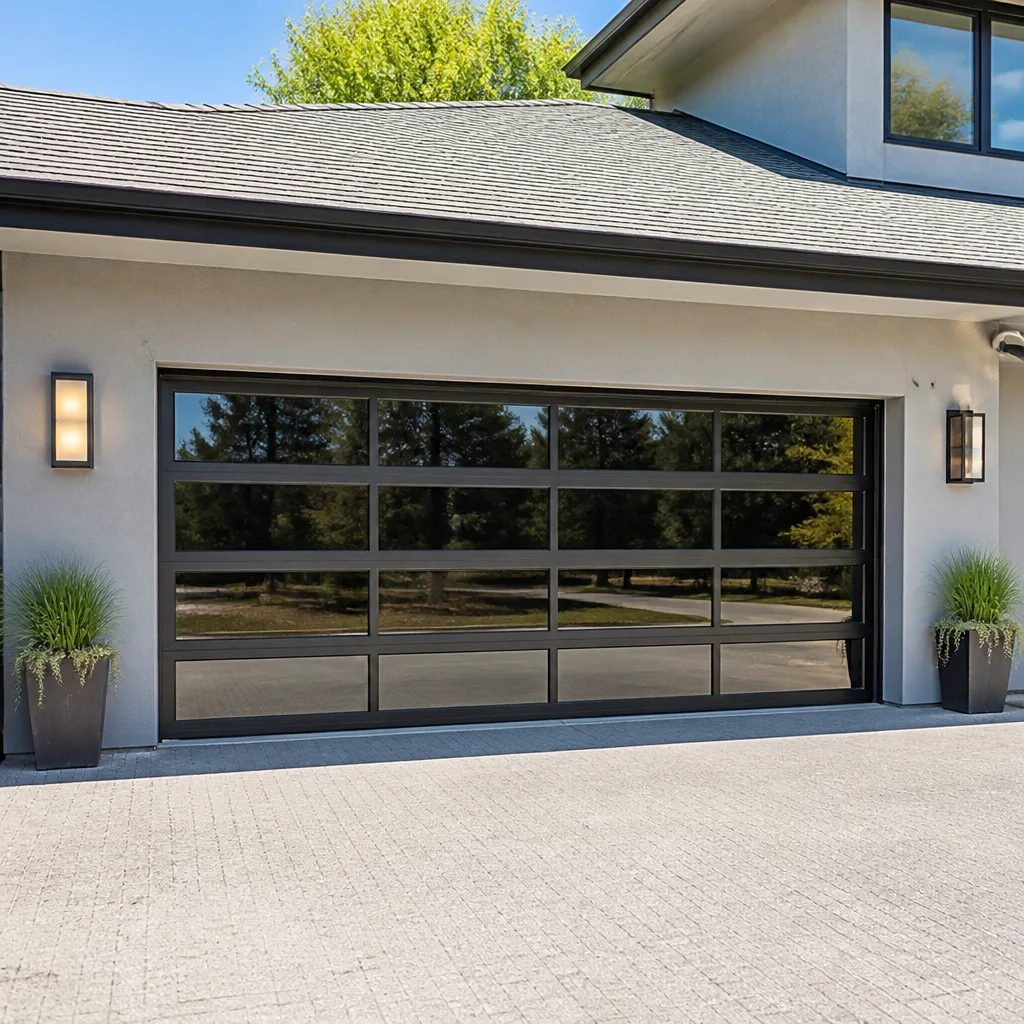 Full-view glass
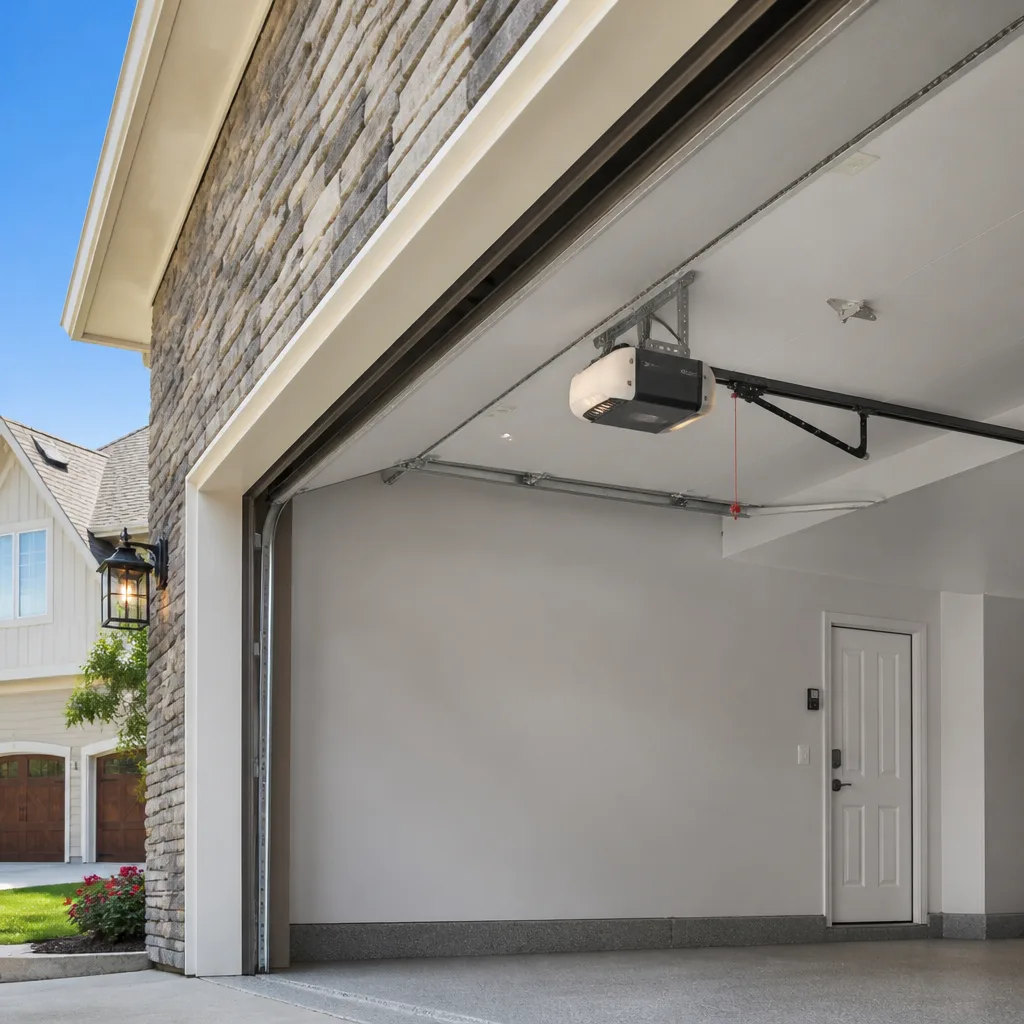 LiftMaster openers
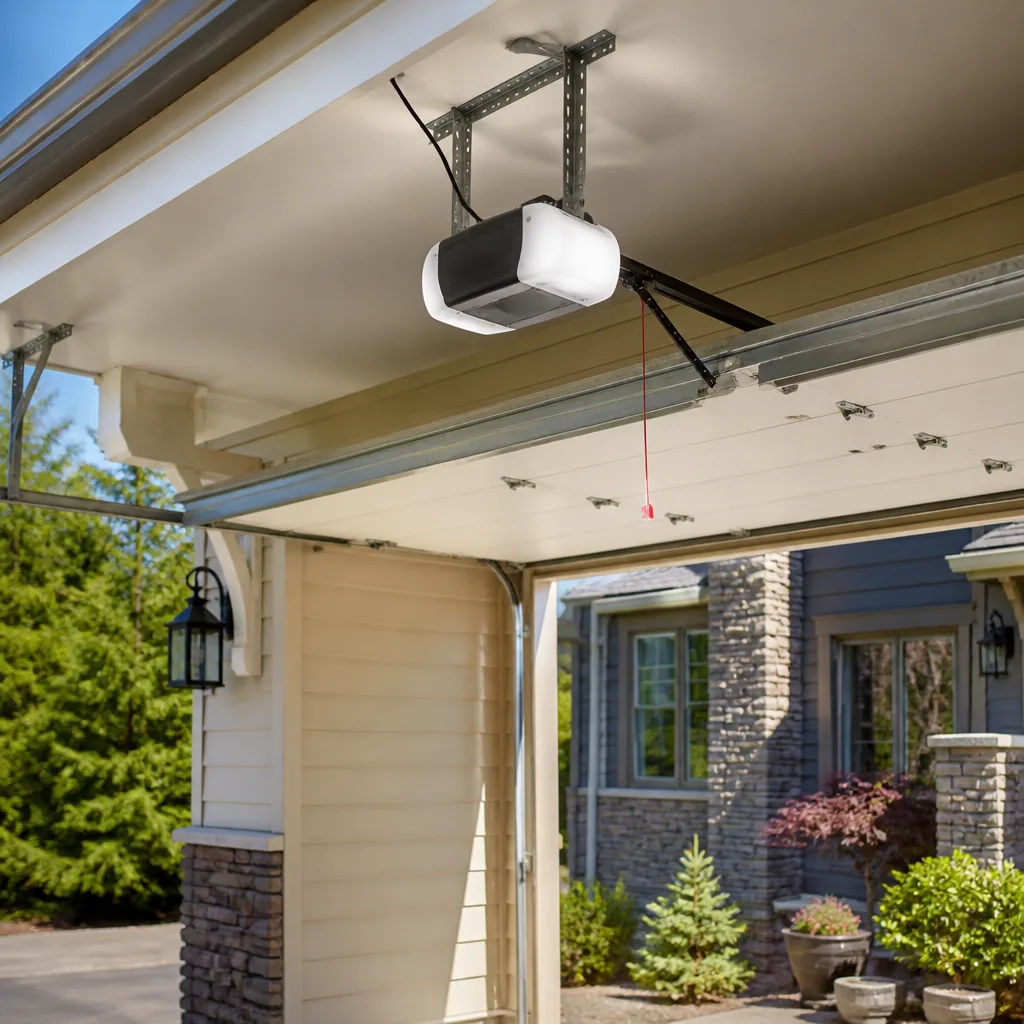 Chamberlain openers
Full 25-point door and opener safety check with every visit - springs, cables, rollers, tracks, and your LiftMaster or Chamberlain opener included
You get a price before we start. It does not change when the pro arrives.
Get your free estimateGarage Door Warning Signs: A Cuyahoga Falls Homeowner’s Reference Guide
Most garage door failures announce themselves first. A door that hesitates for two seconds before it moves isn’t being slow. That pause is the opener working at the edge of its torque limit, usually because a spring is losing tension. The pause is a countdown. What follows over the next days or weeks is a series of small, easy-to-miss signals: a new sound, a slight sag, a roller that suddenly looks different. Homeowners in Cuyahoga Falls dismiss these signals all the time, and the result is a breakdown that could have been a routine repair. This guide decodes what each symptom actually means mechanically, so you know when to watch, when to schedule, and when to stop using the door entirely.
Quick Answer
The most serious garage door warning signs are a snapped spring (two clean halves hanging above the door), a cable that has jumped its drum or frayed, and any door that closes unevenly or slams down. Those mean stop using the door and call a professional. Grinding, squealing, or a door that reverses before it touches the floor are earlier warnings you should schedule service for within the week. A door that hesitates before moving, or one that feels heavy when you lift it by hand, usually means a spring is losing tension and needs attention soon.
Styles & brands we work with
- Raised-panel steel
- Carriage house
- Modern flush
- Full-view glass
- LiftMaster openers
- Chamberlain openers
Table of Contents
- Symptom-to-Cause Map
- What Each Noise Is Telling You
- Visual Warning Signs on Springs, Cables, and Rollers
- Opener Problem or Door Problem? How to Tell When Behavior Is Intermittent
- The Balance Test and Reversal Test Every Cuyahoga Falls Homeowner Should Run
- Urgency Triage: Watch, Schedule, or Stop Using the Door
- How Cuyahoga Falls Weather Affects Your Door
- Prevention: What Keeps a Door Healthy Between Visits
Symptom-to-Cause Map
When your door starts behaving differently, the fastest way to understand it is to match the symptom to the component responsible. Almost every garage door problem traces back to one of six parts: the springs, the cables, the rollers, the tracks, the hinges, or the opener. Here’s how the symptoms map to those components.
| Symptom | Most Likely Cause | Priority |
|---|---|---|
| Door moves a few inches then reverses | Spring tension loss or travel-limit setting | Schedule within days |
| Loud pop or bang from above the door | Broken torsion or extension spring | Stop using the door |
| Grinding sound while moving | Dry or worn rollers, or a misaligned track | Schedule this week |
| Door hangs crooked | Broken spring on one side or a slack cable | Stop using the door |
| Opener runs but door doesn’t move | Broken spring, snapped cable, or stripped gear | Stop using the door |
| Squealing from the opener head | Worn opener gear or bearing | Schedule this week |
| Rattling from the door panels | Loose hinges or roller brackets | Schedule when convenient |
| Sagging or separating top panel | Track damage or a failing spring | Stop using the door |
We’ve seen this map hold true across every brand we service, from a Raynor sectional to a Genie opener that’s been running for years. The mechanism is the same. A torsion spring converts stored energy into the lift force your opener relies on. When it weakens, the opener starts working too hard, and that’s when the odd behaviors appear. The door itself doesn’t change. The energy driving it does.
If your door pauses, jerks, or reverses unpredictably and you’re not sure which row of the table fits, call (877) 770-0890 for a free estimate. We work on the brand you already have, no brand upsell required.
What Each Noise Is Telling You
Garage doors are naturally noisy. There’s a difference between the normal rumble of a door rolling on its tracks and a sound that indicates wear. The type of noise tells you which component to look at. Learning the difference between the two takes a few minutes and saves you from guessing later.
Grinding
A grinding sound almost always comes from the rollers or the track. Dry steel rollers wear into their bearings and start to scrape. Plastic rollers crack and grind against the track surface. A quick visual check of the rollers and a look at whether the track has any dents will usually confirm it. If the track is visibly bent, stop cycling the door and have it checked.
Popping or a Sudden Bang
A single loud pop followed by the door refusing to lift is the classic signature of a broken spring. A torsion spring snaps into two clean halves in the middle. An extension spring separates with a bang and the door drops as far as the cables allow. In both cases, stop using the door and call a professional. Springs carry hundreds of pounds of tension, and this is not a job for a homeowner.
Squealing
Squealing from the opener unit itself usually points to a worn gear or bearing inside the motor housing. Squealing from the door’s hinges often means the metal has lost its lubrication or a hinge pin is dry. Hinges are a low-risk part to inspect. An opener gear is not. If the squeal originates from the motor, schedule it for service rather than opening the housing yourself.
Rattling
Rattling as the door moves is one of the least urgent signs. It usually comes from loose hinge bolts, roller brackets, or a panel that has worked slightly out of alignment. Tightening hardware and checking that all rollers sit firmly in their brackets usually resolves it. If the rattle increases over a few weeks, it’s worth a professional look before anything works loose.
In Cuyahoga Falls, the seasonal temperature swings make noise a reliable early signal. Cold winter mornings make the metal contract slightly, and worn parts sound worse than they do in July. If a door is quiet in summer and noisy in January, that’s a normal amount of seasonal variance. If it’s noisy in every season, something has worn out.
Visual Warning Signs on Springs, Cables, and Rollers
You don’t need to disassemble anything to spot the visual signs of an imminent failure. A careful look from the floor, with the door closed and the opener unplugged, will tell you most of what you need to know. Only look. Don’t touch springs or cables while inspecting them.
Springs
- The door feels heavy when lifted by hand. A balanced door should stay put roughly halfway open. Heavy means the spring has lost tension.
- A visible gap between spring coils. A torsion spring should have an even winding. A gap or a coil that looks compressed on one side means uneven tension.
- Rust or dark streaking on the coils. Oxidation on the spring is a sign of age and can signal a weakened coil.
- An extension spring with a stretched hook or elongated loop. That loop holds enormous tension and is the weakest part of the assembly.
Never attempt to adjust a spring yourself. It stores enough energy to cause serious injury. Have a trained professional examine it, and keep the door in the down position until someone does.
Cables
- Frayed strands poking out of the cable. This means the cable is failing and should be replaced.
- A cable that has come off its drum or is resting loose and slack against the track. This is a serious condition since the door is no longer secured.
- Rust streaks that follow the cable’s path. Rust reduces the cable’s strength over time.
Cables are a stop-using-the-door sign. Don’t cycle the door with a slack or visibly frayed cable.
Rollers
- Flat spots or cracks on the roller wheel. Plastic rollers chip and flat-spot over time, and a flat-spotted roller thumps as it travels the track.
- A roller that sits cocked in its bracket. That means the bracket is bent or the roller has worked loose.
- Uneven wear across the rollers. If some are worn down and others look new, the door is tracking unevenly.
An annual inspection catches these signs before they become a failure. We’ve seen the difference an inspection makes on doors that face Cuyahoga Falls winters year after year. The sudden freeze-and-thaw cycle between December and March is hard on metal parts, and a spring that was fine in October can show its wear by February.
Opener Problem or Door Problem? How to Tell When Behavior Is Intermittent
Intermittent problems are the ones that make homeowners call a specialist. The door works fine for a week, then reverses on Monday, then works again. The first question is always the same: is the problem in the opener or the door? You can narrow it down without touching the motor. The trick is to disconnect the opener from the door and test the door on its own.
- Pull the red emergency release cord on the opener rail. This disconnects the opener carriage from the door without changing anything else.
- Lift the door by hand, halfway. If it stays in place with modest effort, the springs and cables are doing their job and the fault is in the opener. If the door falls or is very heavy, the springs are the problem.
- Push the door back down and listen for rubbing or scraping from the tracks or rollers. Any sound during a manual cycle points to the door, not the motor.
- Reconnect the carriage. If the door cycles manually without issue but still fails with the opener attached, look at the opener itself: the logic board, drive gear, belt or chain, and travel-limit switches.
If the door passes the manual test but the opener behaves erratically, the usual suspects are a failing logic board, a worn drive gear on older units, a loose belt, or travel limits that have drifted. LiftMaster and Chamberlain units tend to fail with a slow drift in the limit settings. Genie units often give a visible drive gear failure on older models. If your opener is a Raynor or a Craftsman and the door cycles fine by hand, opener repair is usually the smaller job.
One overlooked rule for any Cuyahoga Falls homeowner with an older opener: the door’s safety-reversing system uses a beam across the bottom of the opening. If the beam is misaligned, the opener will reverse the door for no obvious reason. Check the alignment of the photo-eye sensors on each side before assuming an electrical fault. It’s a quick fix that gets booked as an opener repair more often than it needs to be.
If the manual test shows the door is heavy or the opener cycles inconsistently, a garage door opener repair visit will diagnose the motor and the door in the same trip. Call (877) 770-0890 to schedule a free estimate.
The Balance Test and Reversal Test Every Cuyahoga Falls Homeowner Should Run
Two tests catch most garage door problems before they become failures. Run them every three months. Each takes about two minutes and requires no tools beyond a flashlight. Both tests should be done with the door closed and the opener disconnected before you start.
The Balance Test
- Pull the emergency release cord to disconnect the opener from the door.
- Lift the door by hand about halfway open. Use the bottom panel, not the frame.
- Let go gently. A balanced door should stay roughly where you leave it. If it drifts down, a spring is too weak. If it springs upward, tension is too high.
- Lower the door slowly and reconnect the carriage. If the door dropped quickly or was very hard to lift, the springs need service.
A failed balance test is the clearest warning of a spring problem. It’s also the test most homeowners skip, because it requires manual effort. Do it anyway. A door that fails the balance test and is still being opened by the motor is putting strain on the opener gear every single cycle, and the next thing to break is the motor.
The Reversal Test
- Start with the door open and the photo-eye sensors lined up across the opening.
- Press the close button and pass a broom handle or a rolled-up newspaper into the beam as the door descends.
- The door should reverse immediately and return to the open position.
- Repeat with the physical contact test on the bottom edge, if your opener has that feature. Press down lightly on the bottom seal as the door closes. The door should reverse.
A door that fails the reversal test has a safety problem. The opener’s force settings may be too high, the photo-eyes may be misaligned, or the logic board may be failing. Stop using the door until it reverses correctly. Any professional service visit will run both tests as the first step of any diagnosis. A reversal failure is worth a call today, not next month. We answer 24/7. Fast dispatch from 7am to 7pm, Sunday through Friday.
Urgency Triage: Watch, Schedule, or Stop Using the Door
Once you’ve spotted a warning sign, the next decision is what to do about it. Most signs fall into one of three buckets: cosmetic-only, schedule-this-week, and stop-using-the-door. Getting the triage right keeps you safe without crowding emergency lines with problems that can wait a few days.
Cosmetic Only
- Rattling from loose hinges or brackets
- Squeaking from dry hinges or roller bearings
- A worn bottom weather seal
- Faded paint and surface rust on the door panels
- Slightly noisy operation compared to last year, with no change in how the door moves
These are worth fixing, but none of them are failures waiting to happen today. Note them, and have them addressed at the next scheduled visit.
Schedule This Week
- Grinding or squealing during operation
- A door that reverses before it touches the floor, but still moves smoothly by hand
- An opener that pauses or hesitates before executing a command
- A door that has failed the balance test but isn’t visibly sagging
- A single broken or worn roller
These signs point to wearing parts that need service soon. The door works now, but the wear compounds. Call to schedule a garage door repair visit this week.
Stop Using the Door
- A popped or broken spring
- A cable that has come off its drum or visibly frayed
- The door hanging crooked or sagging on one side
- The door dropping under its own weight when the opener is disconnected
- An opener that runs without lifting the door
- The physical contact-reversal feature failing when the door closes on an object
These are the cases that need professional hands, sometimes today. Stop using the door and call for service. Broken spring work is one of the most dangerous jobs in the trade. We handle garage door spring repair as a core service, and a trained technician will make the replacement safe before the door is used again.
If you’re not sure which bucket your situation belongs in, describe the symptom when you call. A broken spring, a slack cable, or an off-track door should get a same-day or emergency visit. A rattling hinge can wait for the next opening. Either way, the price is quoted and agreed before any work starts.
How Cuyahoga Falls Weather Affects Your Door
Garage doors in Cuyahoga Falls live through a genuine four-season cycle, and the way our doors degrade shows it. The summer humidity causes wood jamb surrounds to swell and warp slightly, which can push the door’s tracks out of alignment. Late fall’s wet leaves collect under the bottom seal, holding moisture against the door’s edge. Winter frost heave shifts the concrete floor a fraction, and that can throw off the bottom seal’s contact with the threshold. None of this causes a spring to snap by itself. What it does cause is uneven wear, and uneven wear is what eventually turns a working door into a failing one.
Small shifts along the tracks and the concrete floor are normal for homes in Cuyahoga Falls. A door that fits perfectly in July may scrape slightly in January. What matters is the trend: if the scraping appears in spring and worsens month by month, something is moving and needs a professional look. A homeowner who lives near a wooded lot, or whose drive slopes toward the garage, will see more debris and moisture at the door’s edge and should check the bottom seal more often.
We see the same pattern in the higher-traffic neighborhoods. A door on a busy street with a lot of foot traffic and daily cycles wears faster than one on a quiet court. That’s the practical result of the door being the largest moving part of your home: it takes more use than almost anything else in the house.
Prevention: What Keeps a Door Healthy Between Visits
Most of the failures covered in this guide can be caught before they happen with a short, consistent maintenance routine. Nothing here requires special tools or pulling the mechanism apart. Do these tasks on a three-month cycle, and run the two tests described above at the same time.
- Wipe down the tracks. Grime and leaf debris build up on the track surface and cause rollers to wear faster. A damp cloth is enough.
- Inspect the rollers. Look for flat spots, cracks, or a roller sitting cocked in its bracket. Replace any that show damage.
- Check the photo-eye alignment. The sensors on each side of the door should face each other and show a steady indicator light.
- Look at the springs. From the ground, check for gaps, rust, or sagging on the spring assembly. Don’t touch them.
- Look at the cables. Check for rust streaks, frayed strands, or slack on either side of the door.
- Check the hinges and brackets. Loose hardware rattles and wears the panels faster over time.
- Run the balance test and reversal test. Both are described above. Record which, if any, fail.
When your door uses a well-known opener (a LiftMaster or a Chamberlain for most homes in Cuyahoga Falls), the maintenance routine is consistent and the parts are familiar. Whether your door is a Raynor, an Amarr, or a Genie unit, a scheduled inspection keeps small issues from becoming expensive ones. When a symptom shows up between inspections, or when any warning sign points to the stop-using-the-door category, have it examined by a professional.
Common Mistakes to Avoid
- Ignoring a slow start. A door that hesitates before moving is telling you a spring is losing tension. Homeowners who let it go for months end up replacing the opener when a spring adjustment would have prevented it.
- Prying on a spring or cable. These parts hold enormous tension. Do not attempt to adjust them yourself. Any inspection should be visual only.
- Assuming the opener is at fault. A door that won’t open is usually a spring or cable problem, not a motor problem. Pull the emergency release and test the door by hand before scheduling an opener repair.
- Replacing rollers one at a time. If one roller has failed, the others are usually close behind. Replace the full set so the door runs evenly.
- Leaving the door open after a failure. If a spring has snapped, keep the door in the down position. Propping it open leaves it prone to dropping under its own weight.
- Skipping the seasonal test. The balance test and reversal test should run every three months, especially after the first hard freeze in Cuyahoga Falls.
- Mistaking cosmetic noise for a fault. Not every rattle is a failed part, and not every quiet door is safe. Run the tests, not just the ears.
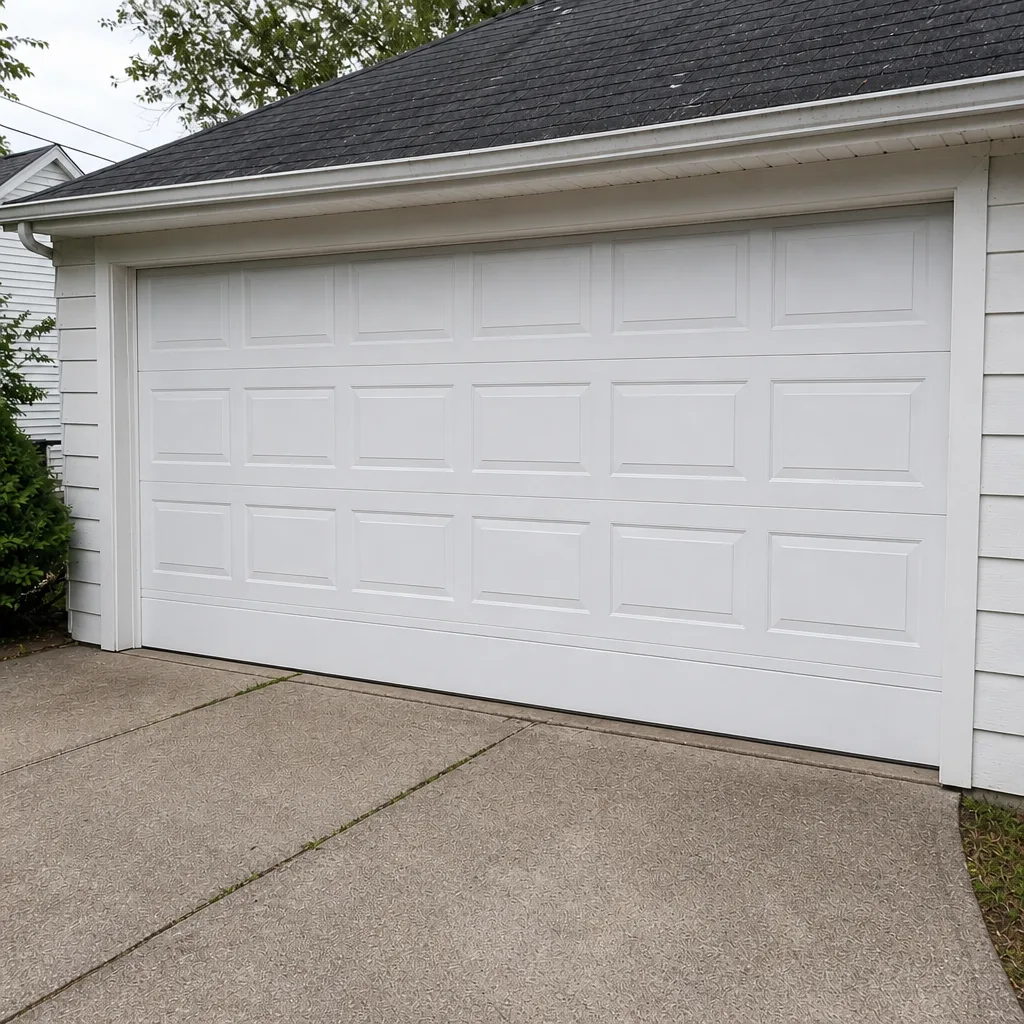
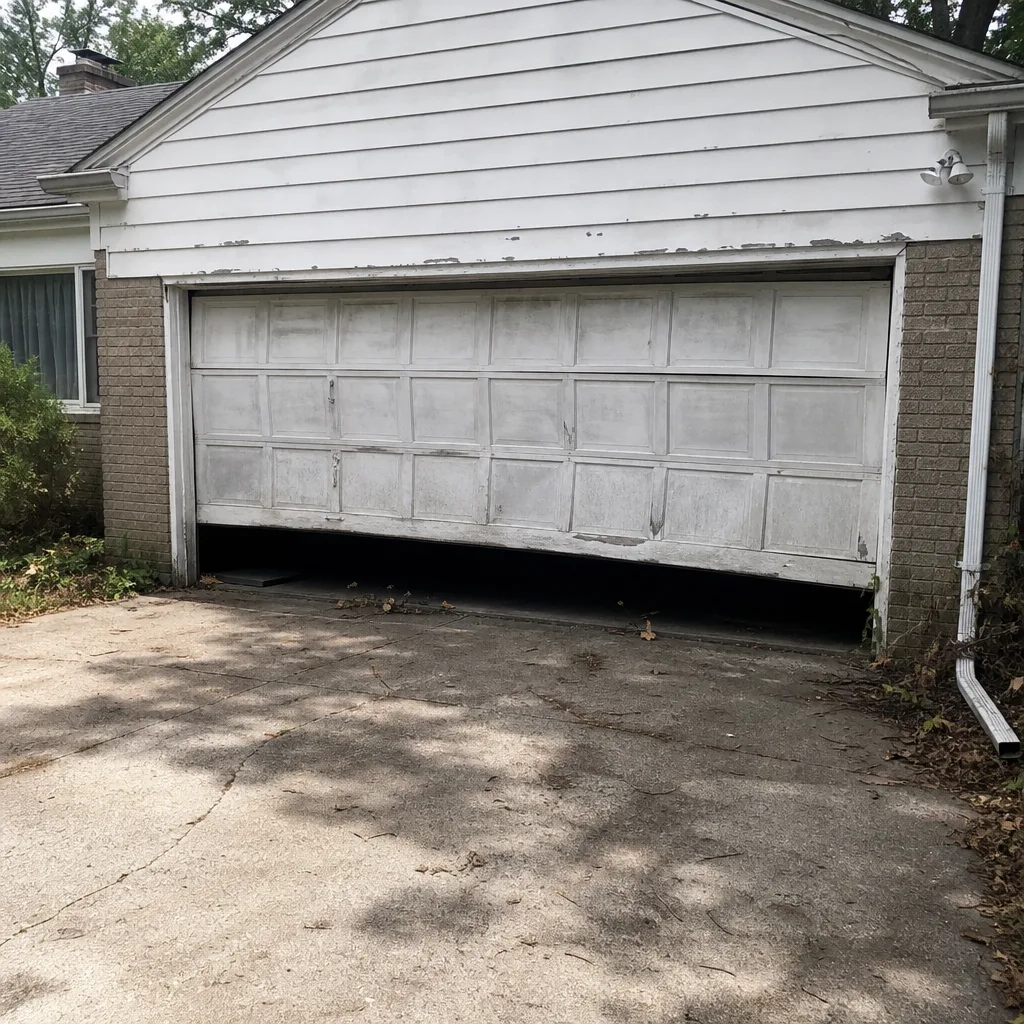
See the difference
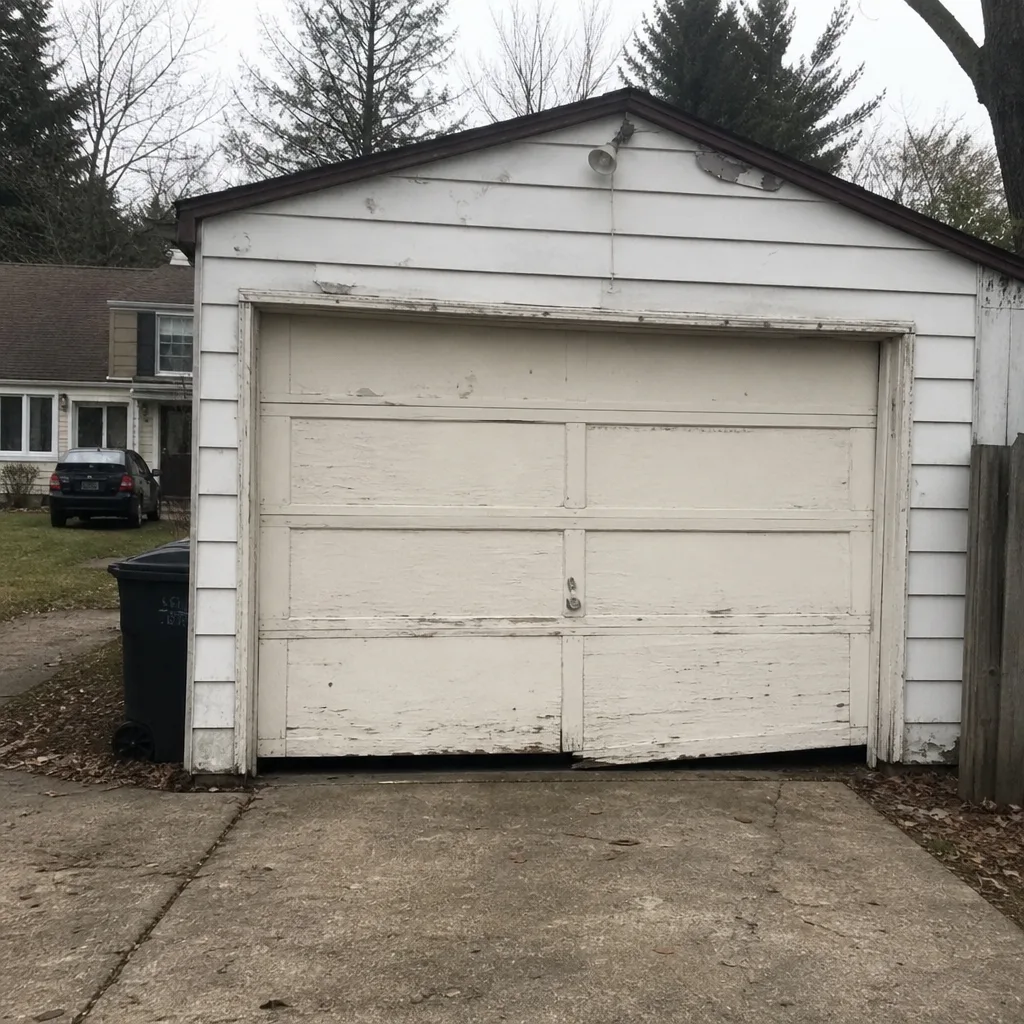 Before
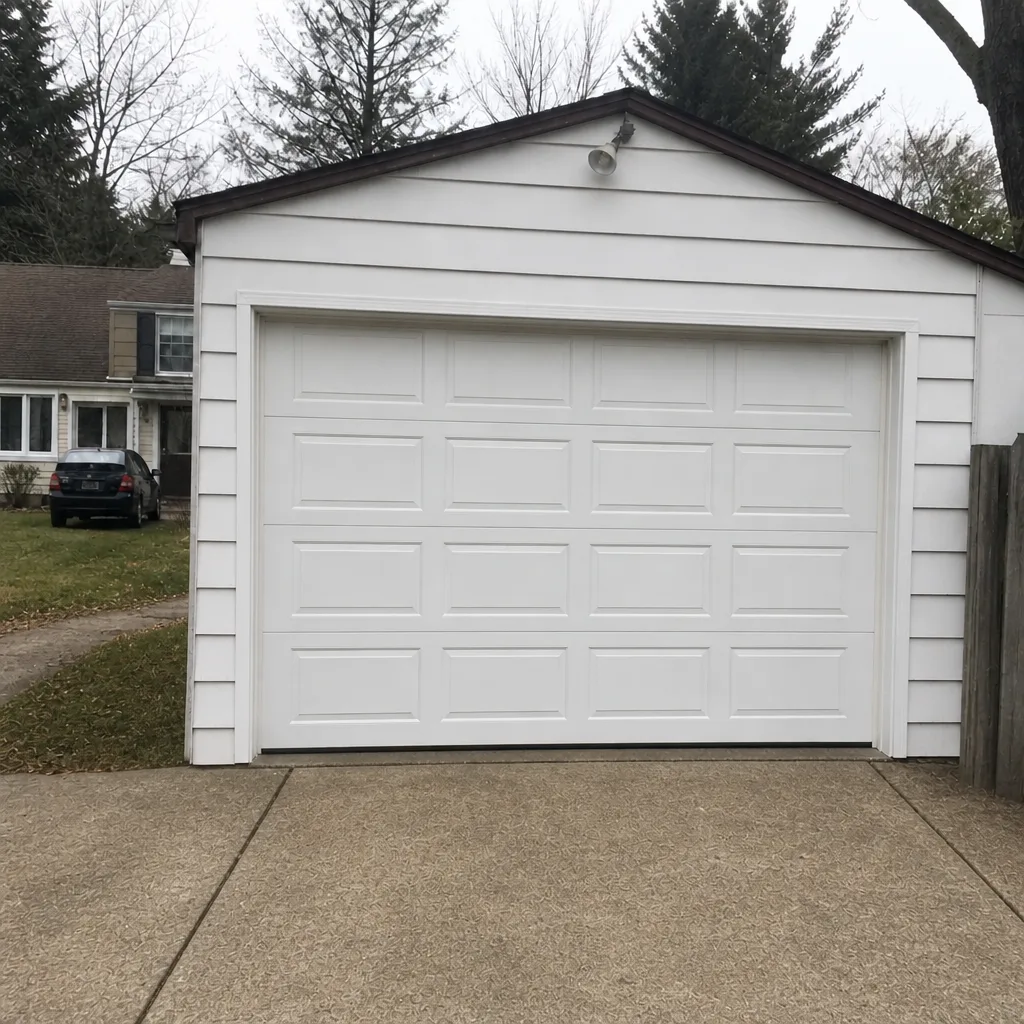 After
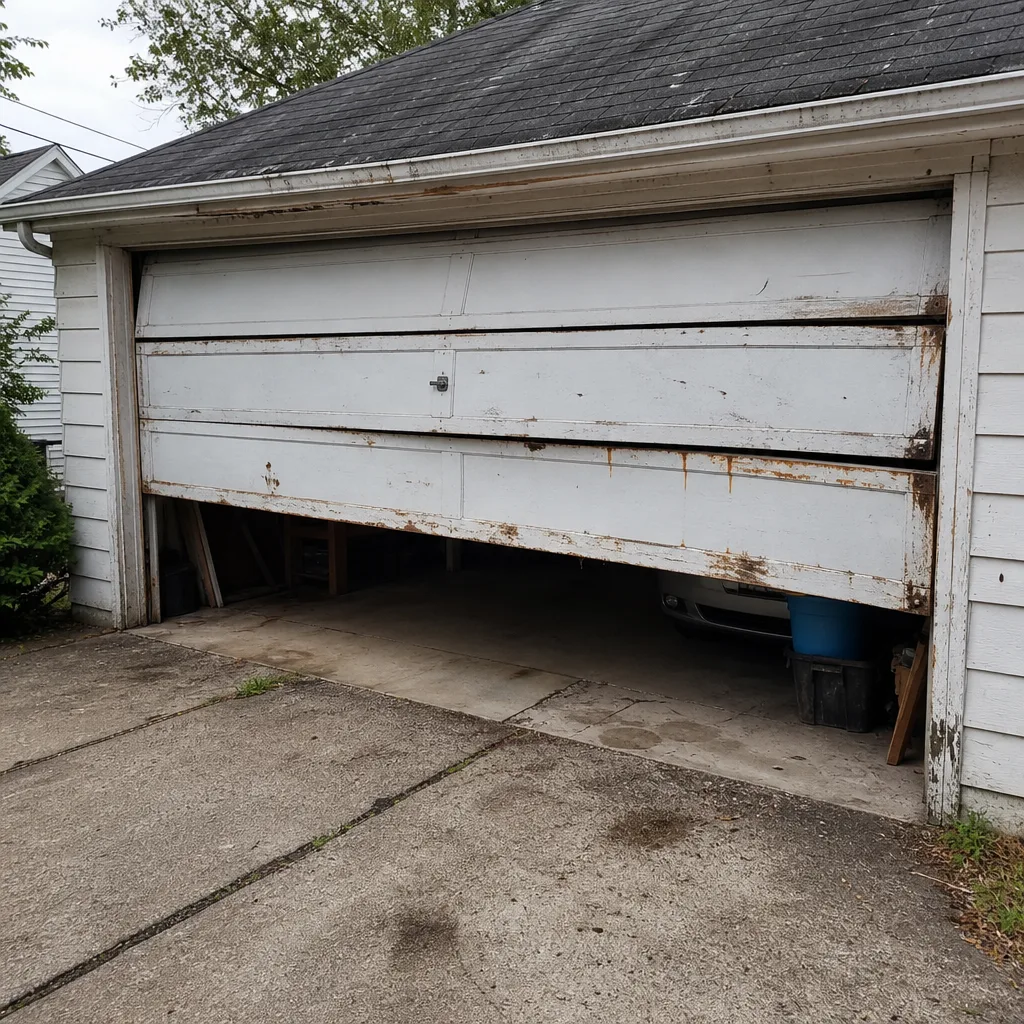 Before
 After
 Before
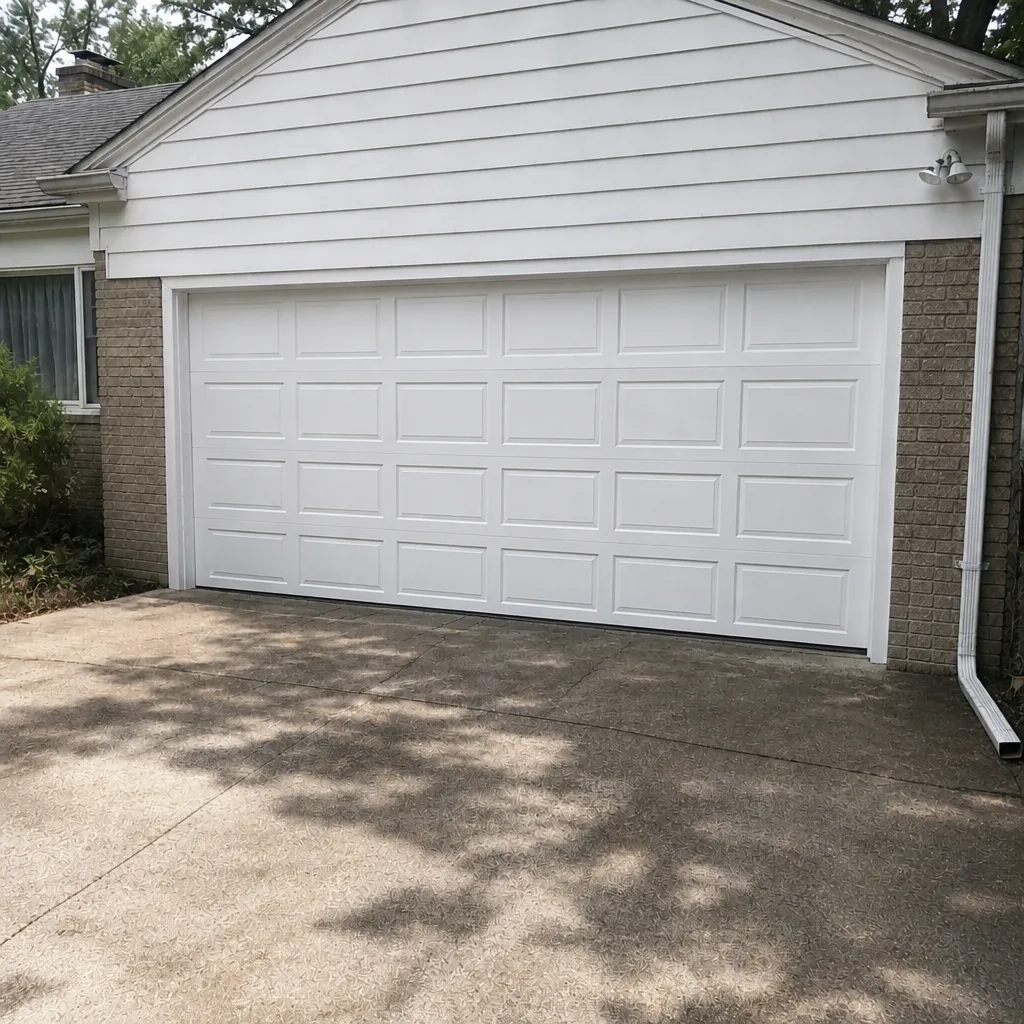 After
When to Call a Professional
Call a professional the moment you see a snapped spring, a cable off its drum, a door hanging crooked, or a door that drops when the opener is disconnected. Also call if the reversal test fails, if the door refuses to close all the way, or if you’ve checked every visible part and it still behaves unpredictably. These are the situations where a trained technician needs to make the door safe before it’s used again. A broken spring or a slack cable is a life-safety concern, not a home-repair project. Street-level repair in Cuyahoga Falls Garage Door Repair offers free estimates in Cuyahoga Falls. Call (877) 770-0890. We answer 24/7. Fast dispatch from 7am to 7pm, Sunday through Friday. The price is quoted and agreed before any work starts.
Frequently Asked Questions
A snapped spring is the most serious warning sign, and it means stop using the door immediately. A broken torsion spring usually leaves two clean halves hanging above the door, and a broken extension spring can let the door drop under its own weight. A cable that has jumped its drum is nearly as urgent since the door is no longer secured. Both are calls for a professional, not a homeowner. Call (877) 770-0890 for an exact quote, and estimates are free.
Every three months is the right interval for both tests, and always after the first hard freeze of the season in Cuyahoga Falls. The balance test catches spring problems early, while the reversal test confirms the safety sensors and force settings are working. If either test fails, schedule service before you use the door again. Call (877) 770-0890 for an exact quote, and estimates are free.
A hesitant start usually means the opener is working at the edge of its torque limit because a spring has lost tension. The motor is trying to lift more than it should, so it pauses while it builds force. This isn’t a motor fault, and replacing the opener won’t fix it. A spring inspection will tell you what’s actually happening. Call (877) 770-0890 for an exact quote, and estimates are free.
No. A garage door spring is one of the most dangerous parts in a home, and it should only be replaced by a trained professional. The spring stores hundreds of pounds of tension, and a mistake can cause serious injury. Our special tooling and training make the job safe when it’s done right, and that’s why spring replacement is a core service here rather than a referral. If you suspect a broken spring, keep the door down and call (877) 770-0890 for an exact quote. Estimates are free.
Pull the emergency release cord and cycle the door by hand. If it’s heavy or falls, the problem is in the door’s springs or cables. If it moves smoothly by hand but fails with the opener attached, the problem is in the opener. That single test narrows the diagnosis before a technician ever arrives. Either way, call (877) 770-0890 for an exact quote, and estimates are free.
Yes, we offer same-day service for urgent failures, and our phone line is answered by a person. Call (877) 770-0890 for an exact quote; estimates are free. We answer 24/7. Fast dispatch from 7am to 7pm, Sunday through Friday. The price is quoted and agreed before any work starts, so you know the cost before a technician touches the door.
The Bottom Line
Garage door failures rarely arrive without warning. A pause before the door moves, a grinding roller, a sagging top panel, or a spring that no longer holds the door halfway up are all signals pointing at a specific part. The balance test and reversal test catch most of these early, and the symptom map in this guide tells you which signs are cosmetic and which mean stop using the door. Run the tests quarterly, watch the visual signs, and treat a broken spring or a slack cable as a call-today problem. When you’d rather not diagnose it yourself, have a specialist take one look. If you’re in Cuyahoga Falls, we can give you a free estimate and an honest read on what the door actually needs. Call (877) 770-0890. We answer 24/7. Fast dispatch from 7am to 7pm, Sunday through Friday. The price is quoted and agreed before any work starts. And when the time comes for a full replacement rather than a repair, we handle Cuyahoga Falls Garage Door Repair and installation across the brands most homes here already use.
Written by the team at Cuyahoga Falls Garage Door Repair.